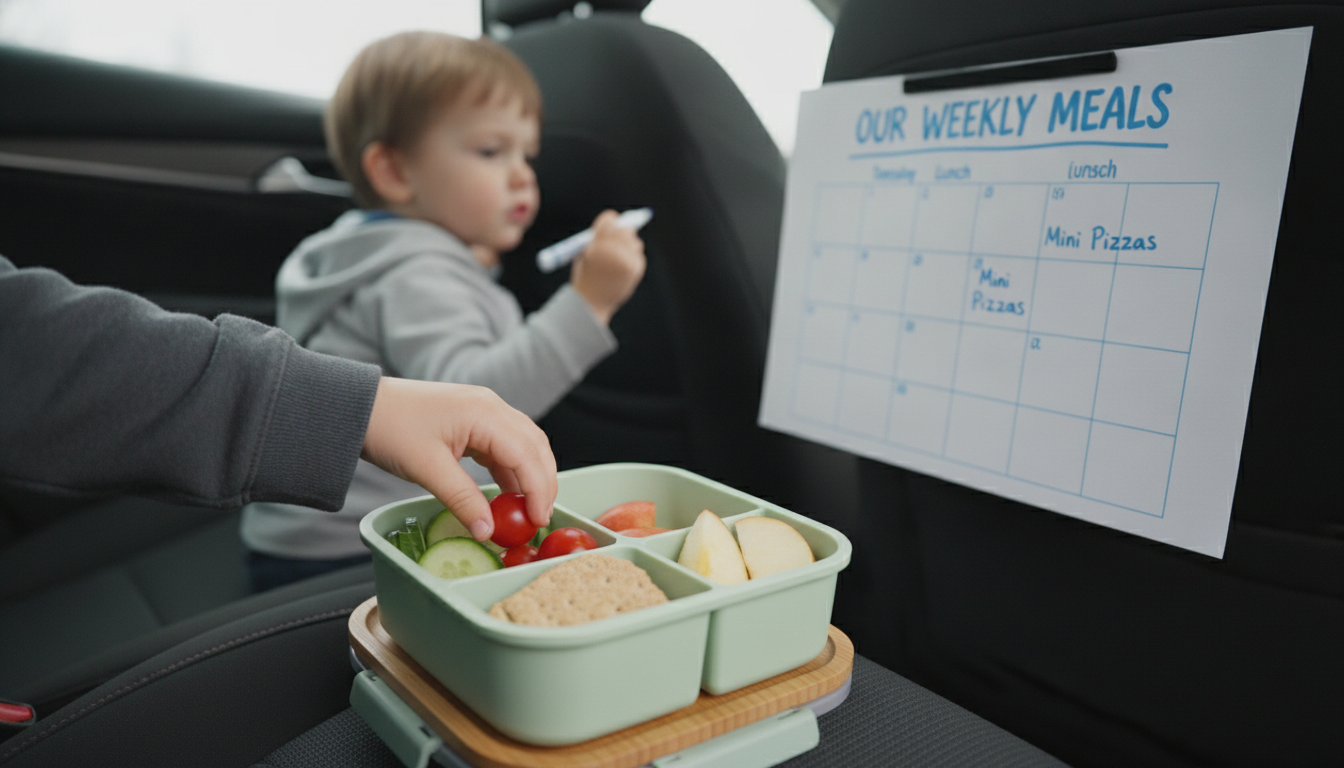
A good meal plan for kids is one that’s predictable, balanced, and flexible enough to fit growth spurts, busy school days, and picky phases. Start with a simple weekly rhythm: plan 3–4 go-to breakfasts, 4–5 lunches (including leftovers), and 5 easy dinners, then repeat favorites often. Kids tend to eat better when the options are familiar and the schedule is consistent.
Most families do well with three meals plus 1–2 snacks. Aim to include a protein, a fiber-rich carbohydrate, a fruit or vegetable, and a calcium-rich option across the day. For example: breakfast might be eggs plus toast and fruit; lunch could be a turkey-and-cheese sandwich with cucumbers and apples; dinner might be tacos with beans, lettuce, and salsa.
Kid-friendly dinners don’t have to be separate meals. Use modular meals where everyone can customize: taco night, pasta with a choice of sauces, rice bowls, baked potato bars, or sheet-pan chicken and veggies with a dip. Keep one “safe” food on the table (like rice, bread, or fruit) so kids can participate without pressure.
Balanced snacks help kids arrive at meals hungry—but not frantic. Pair two components, such as yogurt + berries, cheese + whole-grain crackers, hummus + carrots, or peanut butter + banana. Pre-portion a few options at the start of the week to make after-school time smoother.
Let kids pick 1–2 dinners each week from a parent-approved list and assign simple tasks (rinsing produce, stirring, building lunch boxes). A consistent planning routine reduces last-minute decisions and can improve buy-in. For a step-by-step weekly approach by age, visit this guide to meal planning with kids.
Keep meals predictable, offer one familiar “safe” food, and introduce new foods in small portions without pressure. Repeating exposures and letting kids choose between two healthy options often works better than negotiating bites.




Leave a comment