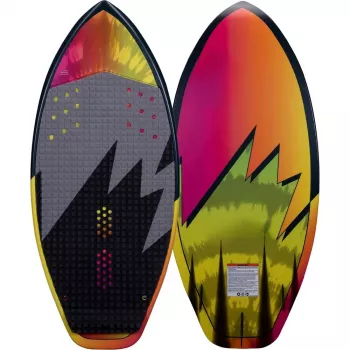
A kids wakesurf board in the 3ft 9in range is built for smaller riders who need a lighter, more manageable board that can accelerate quickly and feel stable at slower boat speeds. The goal isn’t just “smaller”—it’s a board that helps kids learn clean body position, stay in the pocket, and build confidence without fighting oversized gear. For more guidance, see Study raises new questions over Minnesota lakes and wakesurfing.
What a 3ft 9in kids wakesurf board is designed to do
A 3ft 9in kids wakesurf board generally focuses on quick response and easy handling for lighter riders. Compared with many adult boards, it typically feels easier to control and less tiring over multiple short sets. For further reading, see As Portland’s Willamette River gets cleaner, it’s also getting … – OPB.
- Easier starts and faster acceleration: Less board to push means kids can get up and onto the wave with fewer “stalled” moments.
- More control for core skills: Dialing in stance, edging, and staying in the pocket tends to be simpler when the board reacts quickly.
- Quicker turns and easier recovery: Reduced swing weight helps young riders correct small mistakes without losing the wave.
- Best with a clean, moderate wake: A small, well-shaped surf wake and steady speed help kids focus on technique instead of survival.
Who this size works best for
This size is a common “youth sweet spot” for families who want a dedicated board that matches a child’s strength and balance—especially during the first season of progression.
- Beginner to progressing kids who want stability without wrestling an oversized board
- Families sharing a boat setup where the child rides at slightly slower speeds
- Young riders learning to let go of the rope, pump, and maintain position on the wave
- Kids transitioning from kneeboarding or wakeboarding into wakesurfing
Quick fit guide for a 3ft 9in kids wakesurf board (general ranges)
| Rider weight |
Typical fit |
What to watch for |
| 40–60 lb (18–27 kg) |
Often works well for learning |
Aim for a stable stance and slower speed; too much board can feel corky |
| 60–90 lb (27–41 kg) |
Common “sweet spot” range |
Balance stability and drive; consider fin setup if turns feel sticky |
| 90–120 lb (41–54 kg) |
May work for advanced/shortboard feel |
If the board bogs or feels sinky, consider a larger size |
Key features to look for in a kids wakesurf board
Two boards can share the same length and still feel completely different. These features make the biggest difference for young riders.
- Rocker and outline: A flatter rocker and fuller outline often feel more stable and carry speed well. More rocker can feel looser but may require better pumping technique.
- Rails: Softer rails are forgiving and reduce “catchy” moments. Sharper rails respond faster but can punish abrupt weight shifts.
- Volume and thickness: More volume helps float lighter riders and prevents bogging. Too little volume can feel sinky and slow, especially when learning to pump.
- Traction: A secure pad helps prevent slips and gives kids a consistent back-foot target for pumping and turning.
- Fin setup: Larger or more fins track better for beginners. Smaller fins (or a looser setup) can help advanced riders pivot and slash.
Safety and supervision essentials
Wakesurfing is safe when sessions are run with clear rules, proper equipment, and active adult supervision.
- Life jacket: Use a properly fitted U.S. Coast Guard–approved life jacket sized for the rider. See official guidance from the U.S. Coast Guard and fit tips from the National Safe Boating Council.
- Keep distance from the boat: Establish a clear “no-go” zone behind the swim platform and near the engine area.
- Use the right rope: Choose a wakesurf-specific rope (shorter and thicker). When a rider drops the handle, keep it out of the water and away from the rider.
- Spotter and signals: Use an observer in addition to the driver and confirm hand signals before the first set (more general resources: USA Water Ski & Wake Sports safety).
- Short sets: Start with calm water and shorter rides; fatigue increases falls and reduces judgment.
Getting started: setup tips for a better first ride
Small adjustments can make a first session feel dramatically easier for kids—especially lighter riders who need a clean wake and a board that stays on plane.
Skill progression for young wakesurfers
Care, storage, and durability basics
Shop featured picks (in stock)
Product snapshot
FAQ
How fast should a child wakesurf behind the boat?
Many kids ride successfully in the general wakesurf range of about 8–11 mph, depending on rider weight, board size, and wake shape. Start slower and increase only until the board stays on plane and the rider can comfortably stay in the pocket without pulling on the rope.
Can a kid use an adult wakesurf board?
It can work sometimes, but adult boards often feel big and sluggish for lighter riders, making turns and corrections harder. If the board is too big it may feel slow to respond; if it’s too small it may bog, sink, or lose speed quickly when the rider relaxes.
What life jacket is appropriate for kids wakesurfing?
Choose a properly fitted U.S. Coast Guard–approved life jacket sized by the manufacturer’s weight and chest guidance. Some impact vests are not USCG-approved, so confirm compliance with local rules and the specific activity.
Recommended for you






Leave a comment