
The best AI tool for PowerPoints depends on how you actually build decks: starting from scratch, cleaning up a messy draft, or generating polished slides fast for client-facing work. For most people who need speed plus dependable structure, an AI “slide wizard” workflow wins over one-off generators because it keeps your message clear while still accelerating design and formatting.
A strong AI option for PowerPoints should do three things well: (1) turn rough notes into a logical slide flow, (2) keep layouts consistent across the whole deck, and (3) help you refine wording so slides read cleanly at a glance. If a tool only makes pretty templates but can’t help with narrative or structure, you’ll spend the saved time reworking the content.
Story-first slide building: The tool should help group ideas into sections, titles, and key takeaways—so you’re not stuck with 20 random slides.
Editable, native slides: Make sure you can easily edit in PowerPoint (or export cleanly) without breaking formatting.
Design consistency: Consistent fonts, spacing, and visual hierarchy are what make decks feel “professional,” not just colorful.
Speed features that matter: Think: slide cleanup, automatic alignment, layout suggestions, and fast rewrites for headlines and bullets.
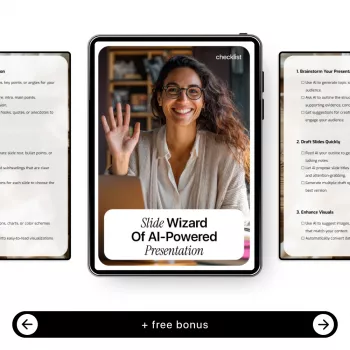
If you routinely create presentations for work, the most useful approach is to combine AI for structure and drafting with a repeatable checklist for polishing. That’s how you get faster without lowering quality. For a step-by-step method to build better decks quickly (and avoid common AI slide mistakes), use this guide: AI Slide Wizard Checklist for Faster, Better Decks.
For Best AI Tools for PowerPoint: Choose the Right Workflow, the best answer depends on fit, material, care instructions, and how the product will be used day to day.
Yes. Many tools can convert a document into slides by extracting headings and key points, but you’ll usually need to revise slide titles, shorten text, and standardize layouts for readability.





Leave a comment