A smoother homework time usually comes from a predictable rhythm: decompress after school, set up the environment, complete one small task at a time, and end with a clear “done” signal. When the steps stay the same, kids don’t have to guess what’s coming next—and that predictability can lower resistance, reduce power struggles, and keep evenings from turning into last-minute stress.
Homework blowups are often a timing-and-setup problem, not a character problem. A few common patterns show up in most households:
Instead of launching straight into homework, build a short transition window. Think of it as “re-entry”: the body refuels, the brain shifts gears, and emotions settle enough to try.
| Need | 2–5 minute options | Why it helps |
|---|---|---|
| Hungry/low energy | Protein snack + water; quick kitchen tidy together | Stabilizes energy and lowers irritability |
| Restless body | Wall push-ups; stairs; short walk; stretch video | Burns off stress and improves focus |
| Big feelings | Name the feeling; 3 deep breaths; brief vent then close it | Creates emotional safety before effort |
| Overstimulated | Quiet corner; headphones; dim light; no screens | Reduces sensory load so thinking is easier |
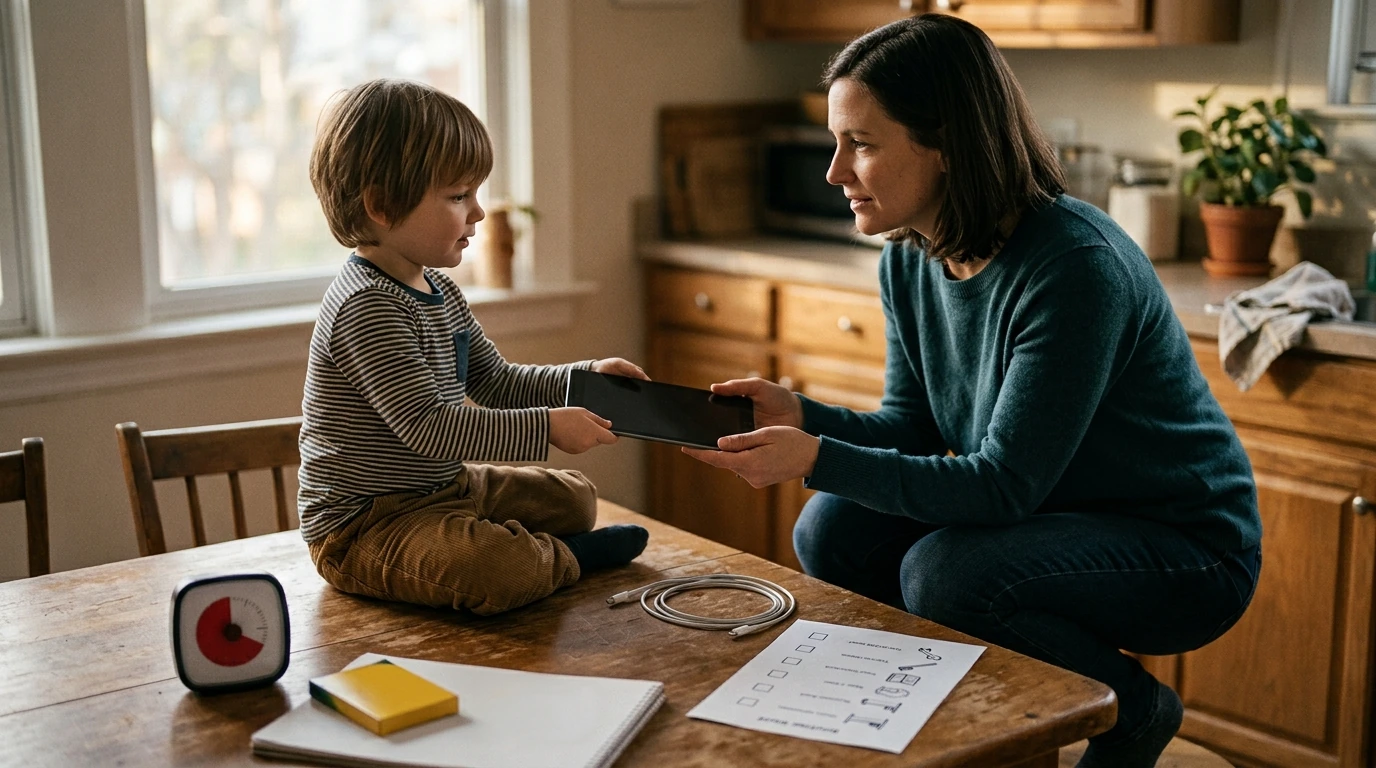
When the workspace is ready, you eliminate the tiny disruptions that spark big reactions. A few simple rules do most of the heavy lifting:
For evidence-based study habit guidance, the American Psychological Association’s homework and study habits overview is a helpful reference point for building routines that support independence.
When evenings run late, protect sleep—fatigue makes the next day’s homework harder. The CDC’s child sleep guidelines can help you sanity-check bedtime routines if homework has been stretching too long.
If your child benefits from comfort while focusing (a calm body supports a calm brain), a soft, supportive item can help some kids settle into a routine. For example, the Adorable Capybara Plush Pillow can be used as a cozy lap pillow during reading or independent work blocks.
For families who want a ready-to-use structure, the Homework Without the Nightly Drama – Child Homework Routine Help Checklist (Printable Digital Download) is designed to guide a child through the after-school transition, workspace setup, focused work blocks, breaks, and a clear finish.
On especially busy weeks, it can also help to keep your overall evening organized with a separate planning tool like the Shop Smart, Save Big This Prime Day | What to Buy on Amazon Prime Day Guide | Digital Download Checklist & eBook—useful for consolidating errands and purchases so weeknights aren’t overloaded.
Many families aim for about 10 minutes per grade level (for example, around 30–60 minutes in upper elementary, and longer in middle/high school depending on classes). If homework routinely takes far beyond a reasonable window, check school policy and ask the teacher what’s expected for time and completeness.
Start with a short reset (snack/water and 2–5 minutes of movement), then do a two-minute preview and pick the easiest task first. Set a timer for a very small first work block (5–10 minutes) and keep language neutral; if emotions escalate, pause and try again after a brief break or earlier/later when your child is more regulated.
A gradual-release approach works well: be nearby at first (especially for younger kids), then move to quick check-ins as confidence builds. If your child is consistently confused, anxious, or off-task, they may need more structured support; if they work better without an audience, give more space and only check at planned checkpoints.





Leave a comment