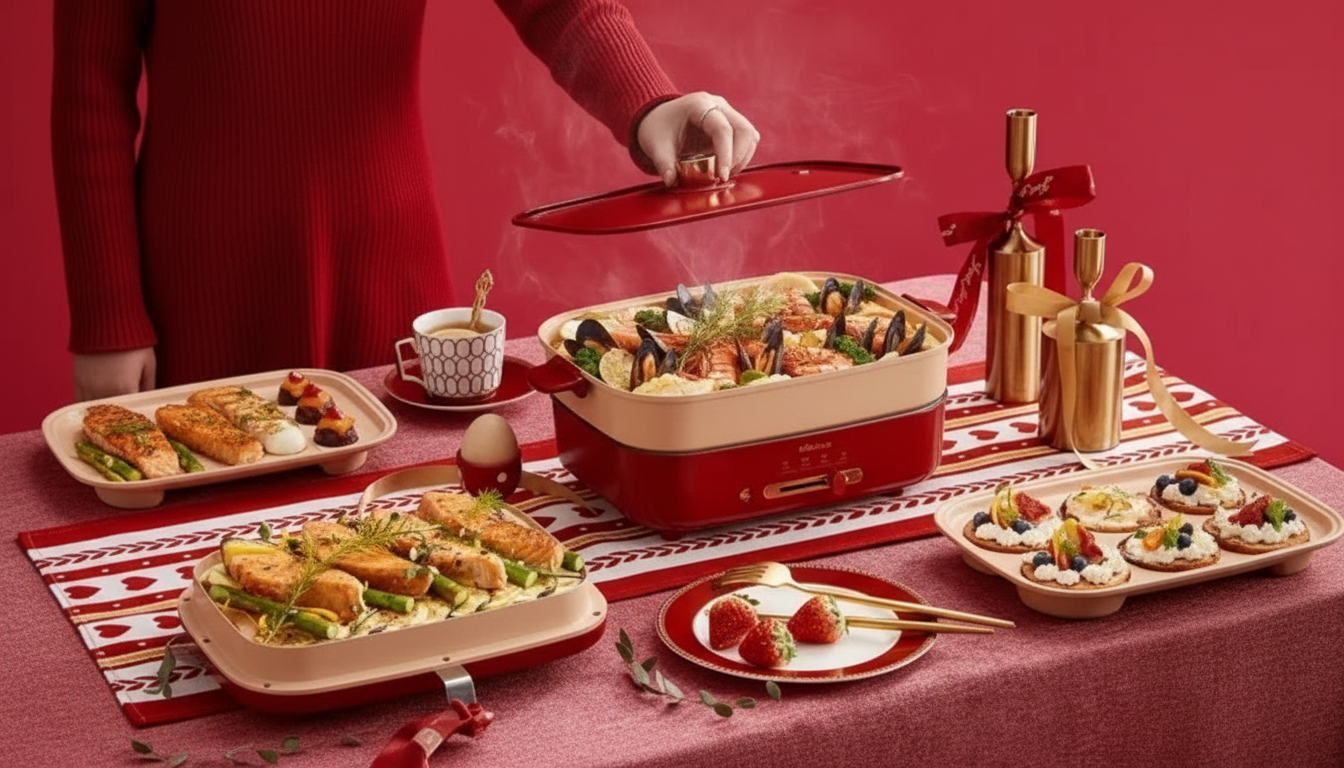
A single appliance that can crisp waffles, simmer a hot pot, and steam vegetables or dumplings can simplify meal prep in small kitchens, dorm rooms, and busy households. Instead of juggling multiple gadgets (and multiple cords), a multi-function cooker helps keep weeknight dinners, quick breakfasts, and snack-time steaming in one compact footprint. Below are the practical strengths of each mode, the routines that make it easiest to use day-to-day, and the feature checklist that helps confirm it fits your cooking habits.
Waffle mode is built for quick, portioned breakfasts and easy brunch spreads. It’s also a fun way to make dessert waffles (think chocolate batter, cinnamon, or fruit add-ins) without turning on a full-size oven—especially helpful in warm weather or tight spaces.
Hot pot mode supports tabletop meals like broth-based hot pot, ramen nights, and quick soups. It’s also useful for simple “one-pot” comfort foods when you want something hot and shareable without a large burner setup.
Steaming is ideal for dumplings, buns, vegetables, seafood, and gentle reheating. Compared with microwaving, steam can keep foods like rice or bao from drying out, while still warming them through evenly.
For apartments, RVs, office kitchens, or minimal-storage homes, the main advantage is consolidation: fewer appliances to store, fewer parts to track, and faster setup for simple meals. For tabletop use, always keep the cooker on a stable, heat-safe surface with clear space around it.
This style of appliance shines when cooking needs change throughout the day—breakfast, dinner, then snacks—without creating a pile of extra cookware.
| Mode | What to Make | Helpful Tip |
|---|---|---|
| Waffle | Classic waffles, mochi-style batter, hash-brown waffles | Lightly oil plates if recommended; avoid overfilling to prevent overflow. |
| Hot pot | Broth hot pot, ramen, miso soup, fondue-style dips | Preheat broth first; add quick-cook items later to avoid overcooking. |
| Steamer | Dumplings, buns, vegetables, fish fillets | Leave space between items so steam can circulate evenly. |
Start with broth or water and bring it to a steady simmer before adding ingredients. Add foods in stages: longer-cooking items first (root vegetables, thicker cuts), then quicker items (leafy greens, mushrooms), and noodles last. This keeps textures pleasant and helps prevent starchy boil-over. For food safety, keep perishable foods out of the temperature “danger zone” for extended periods and serve promptly; the USDA overview is a helpful refresher on safe holding temperatures (USDA FSIS: Danger Zone (40°F–140°F)).
For general cooking safety reminders—especially when using countertop appliances at the table—review the National Fire Protection Association’s guidance (NFPA: Cooking Safety) and time/temperature best practices in the FDA Food Code (FDA: Food Code).
The Multi-Function Electric Waffle & Hot Pot Cooker with Steamer is designed as a compact, multi-use countertop appliance for waffles, hot pot meals, and steaming. It’s especially useful for quick solo meals, couples, or small gatherings where table cooking is part of the experience. For smoother everyday use, consider pairing it with heat-safe tongs, a silicone ladle, small bowls for dipping sauces, and parchment liners (when appropriate for your steamer setup).
| Check | Why It Matters |
|---|---|
| Counter space | Ensures safe ventilation and stable tabletop use. |
| Cleanup plan | Nonstick care and removable parts make frequent use more realistic. |
| What you’ll cook most | Prioritize waffle texture, broth heating speed, or steam capacity based on habits. |
Yes—use enough liquid to prevent sticking, bring broth to a simmer first, then add noodles near the end and stir frequently to avoid clumping or boil-over.
Timing depends on thickness and whether food is chilled or frozen; small dumplings often take around 8–12 minutes, while vegetables can range from 5–15 minutes. Start counting once steady steam is visible.
Clean all food-contact surfaces promptly, wash lids and seals thoroughly, and dry completely. A mild vinegar-water wipe on non-electrical surfaces can help reduce odors; follow the manufacturer’s care instructions.




Leave a comment