Multi-Functional Indoor Korean Hot Pot and Barbecue Grill for Tabletop Nights
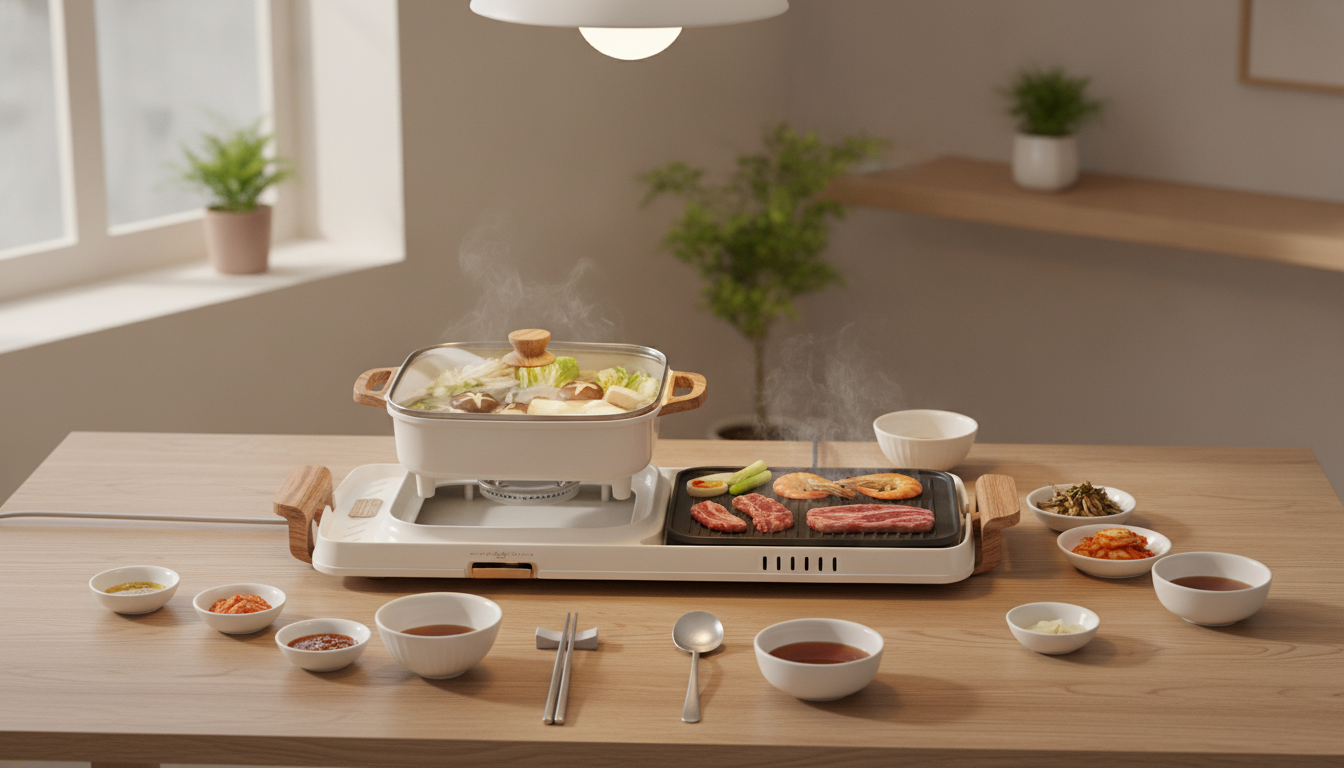
Bring Korean BBQ and hot pot nights home with a compact electric cooker designed for tabletop use. This multi-functional setup pairs a grill surface with a hot pot zone so meats, seafood, vegetables, and noodles can cook side-by-side—ideal for sharing, quick weeknight meals, and hosting without filling the kitchen with smoke.
If you’re building a cozy “cook-as-you-eat” routine, the Multi-Functional Indoor Korean Hot Pot and Barbecue Grill – Electric Smokeless Cooking Pan is made for exactly that: one plug-in unit that turns the table into the kitchen.
What This Multi-Function Cooker Does
This style of tabletop electric cooker is designed to handle two jobs at once—grilling and simmering—so you can create a full spread without juggling pans on the stove.
- Combines grilling and simmering in one tabletop unit for Korean BBQ-style meals and hot pot at the same time.
- Designed for indoor cooking with a smokeless-focused setup when used with proper heat and ventilation practices.
- Supports mix-and-match meals: sear thin-sliced meats while keeping broth, soup, or spicy stew gently bubbling.
- Fits a social, cook-as-you-eat format that reduces time spent plating multiple courses.
Key Benefits for Indoor Cooking
- Tabletop convenience: cook at the dining table instead of standing over a stove.
- Versatility: grill meats and vegetables while simmering broth for noodles, dumplings, tofu, or mushrooms.
- Efficient meal flow: keep hot items hot, and cook in small batches for better texture and doneness.
- Entertaining-friendly: guests can cook to preference (more char, less spice, vegetarian-friendly options).
- Helps control odors and smoke: compared with open-flame grilling when used at moderate temperatures and with good airflow.
Grill + Hot Pot Meal Ideas
| Grill Side |
Hot Pot Side |
Great Pairings |
| Thin-sliced beef |
Mild kombu or chicken broth |
Rice, scallions, sesame dipping sauce |
| Pork belly or marinated pork |
Spicy kimchi-style stew base |
Lettuce wraps, garlic, ssamjang |
| Shrimp and squid |
Miso or seafood broth |
Udon, napa cabbage, enoki mushrooms |
| Mixed vegetables (zucchini, peppers) |
Vegetable broth |
Tofu, glass noodles, chili oil |
| Chicken thighs |
Tom yum–style broth |
Lime, herbs, dipping sauces |
How to Set It Up for a More Smokeless Experience
Even “smokeless” indoor grills work best when the heat is controlled and grease is managed. A few simple habits make a big difference in comfort (and cleanup).
- Place the unit on a stable, heat-resistant surface with enough clearance around the cord and sides.
- Preheat briefly, then cook at medium heat first; increase only as needed to reduce splatter and smoke.
- Pat proteins dry and trim excess fat to limit flare-like smoking and grease vapor.
- Use oils with higher smoke points when oil is needed; avoid overheating empty surfaces.
- Keep a window cracked or run a range hood/air purifier nearby for best comfort.
- Have separate tongs/chopsticks for raw and cooked foods to prevent cross-contamination.
For a safety refresher around hot surfaces, cords, and kitchen habits, the U.S. Consumer Product Safety Commission kitchen safety guide is a helpful reference.
What to Cook: Ingredients That Work Especially Well
Tabletop grill + hot pot meals shine when ingredients are prepped for quick cooking. Think thin cuts, small pieces, and a broth that tastes good even after multiple dips.
- Proteins: thin-sliced beef, pork belly, marinated chicken, shrimp, scallops, tofu, fish cake.
- Vegetables: napa cabbage, bok choy, mushrooms, onions, peppers, zucchini, corn, sweet potato.
- Hot pot add-ins: dumplings, rice cakes, udon, ramen, glass noodles, soft tofu, eggs.
- Sauces and sides: sesame oil + salt, soy-based dipping sauce, gochujang-based sauce, ssamjang, pickled radish.
- Batching tip: cook quick items first (seafood, thin beef), then thicker cuts and vegetables.
When cooking proteins for a group, using safe internal temperatures is essential. The USDA safe minimum internal temperature chart is an easy standard to follow.
Cleaning and Care
A little maintenance right after dinner keeps the grill performing well and helps prevent lingering odors in storage.
- Let the unit cool fully before cleaning to protect coatings and prevent warping.
- Wipe grease while warm (not hot) using paper towels, then wash removable parts as directed.
- Use non-abrasive sponges to preserve nonstick surfaces; avoid metal utensils on coated areas.
- Empty and rinse the hot pot zone after broth-based meals to prevent residue buildup.
- Dry thoroughly before storing to prevent odor and moisture issues.
- If the grill surface has stubborn residue, soak with warm soapy water and loosen gently.
Safety Notes for Tabletop Electric Grilling
Who This Cooker Is Best For
In-Stock Picks to Complete the Setup
FAQ
Can grilling and hot pot run at the same time?
Yes—this type of dual-zone design is built for simultaneous cooking. For best results, keep the broth at a steady simmer while searing proteins in batches so the grill surface doesn’t get crowded and cool down.
How can smoke and odor be minimized indoors?
Use moderate heat, pat ingredients dry, and trim excess fat before grilling. Use a small amount of higher-smoke-point oil only when needed, keep airflow moving (window/hood/air purifier), and wipe excess grease as you go.
What is the easiest way to clean it after Korean BBQ?
Let the unit cool, wipe off grease first, then wash removable parts with non-abrasive tools. Soak stuck-on residue with warm soapy water and dry everything thoroughly before storing to prevent odor buildup.
Recommended for you




Leave a comment