
AI is applied to government by helping agencies deliver services faster, make decisions more consistent, and spot risks earlier—while keeping humans accountable for final outcomes. Practical deployments usually focus on narrow, high-volume tasks where rules and data already exist, such as processing forms, routing requests, and detecting anomalies.
One common use is customer service modernization. Chatbots and virtual agents can answer routine questions, guide residents through benefit eligibility, and triage requests to the right department. In back-office workflows, AI can extract data from documents, flag missing fields, and reduce manual re-entry so staff spend more time on complex cases.
AI is also used for operations and security. Predictive analytics can help plan staffing for call centers, anticipate infrastructure maintenance needs, and identify unusual spending patterns. In fraud, waste, and abuse prevention, models can highlight transactions or claims that look inconsistent with historical patterns, enabling investigators to prioritize reviews.
For policy and program management, AI can summarize large volumes of public comments, classify feedback themes, and support evidence reviews—provided agencies validate outputs and preserve transparency. Some governments also use AI for language translation and accessibility, improving communication with multilingual communities and people with disabilities.
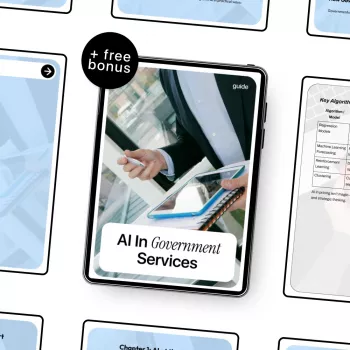
Because government decisions affect rights and services, responsible use matters. Strong implementations include privacy-by-design, security controls, bias testing, clear documentation, and human oversight—plus processes for appeals and corrections. For a deeper look at real-world use cases, governance guardrails, and rollout steps, see this guide to AI in government services.
For How AI Is Used in Government: Services, Security, Trust, the best answer depends on fit, material, care instructions, and how the product will be used day to day.
Checking those details first helps avoid a poor match and keeps the choice practical after delivery.
Key risks include privacy breaches, biased outcomes, lack of transparency, and over-reliance on automated recommendations. These can be reduced with strong data governance, independent testing, and clear human accountability.






Leave a comment