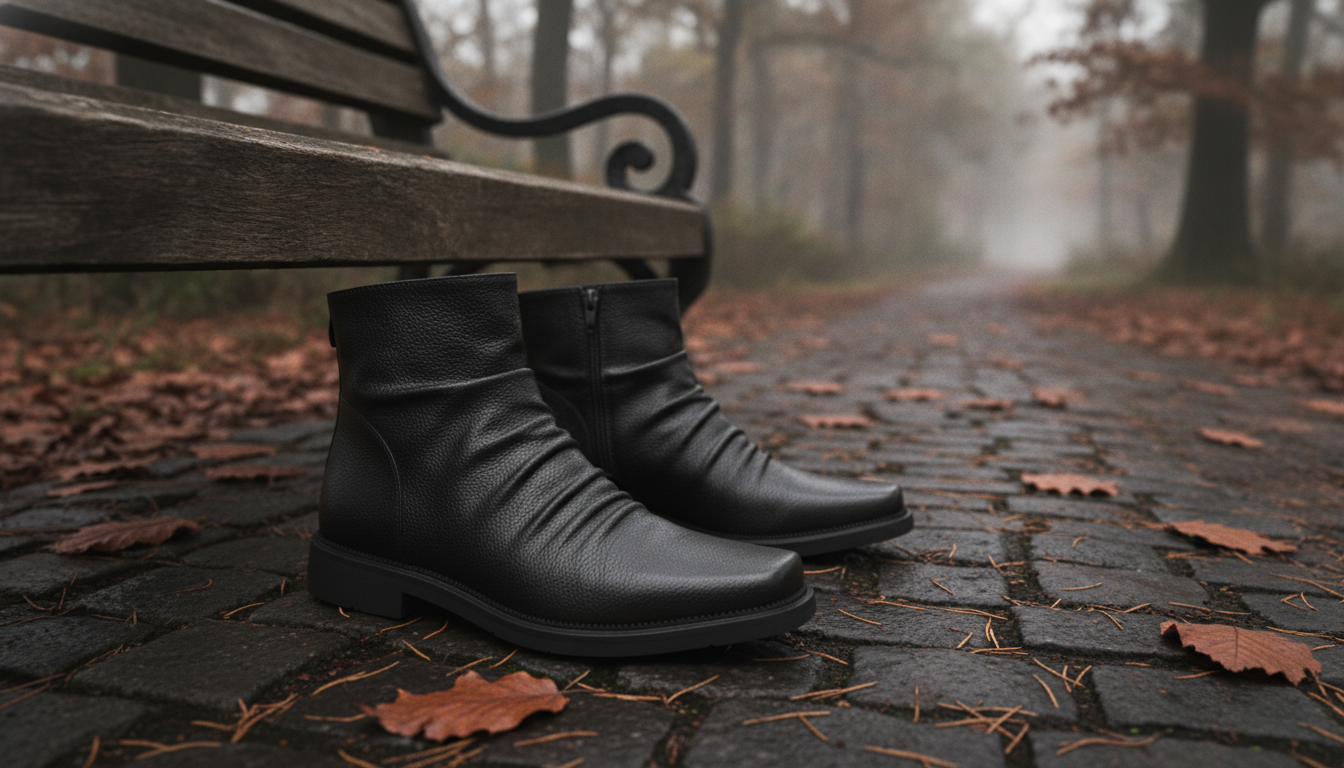
Built for a rugged look and everyday wear, vintage-inspired British ankle boots bring together military heritage styling and outdoor-ready practicality. The best pairs feel stable on long city walks, handle unpredictable weather, and still look sharp with denim, chinos, or layered workwear. Below is a practical breakdown of what matters most—materials, construction, fit, traction, comfort, styling, and care—so the boots earn a regular spot in the rotation instead of becoming a “special occasion” pair.
Vintage British-inspired ankle boots are defined by restraint: clean lines, purposeful hardware, and a silhouette that reads rugged without looking bulky. The ankle-height profile hits a sweet spot—enough coverage for support, yet easy to move in—so they pair naturally with cuffed jeans, straight-leg trousers, or tapered chinos.
When a boot is meant to do double duty—commuting, travel, weekend errands, light outdoor use—the build details matter as much as the look. Start with the upper material, then work downward to comfort layers and outsole grip.
| Feature | Why it matters | What to confirm |
|---|---|---|
| Outsole traction | Helps prevent slipping on wet or loose surfaces | Rubber sole with defined tread/lugs |
| Heel stability | Improves balance and reduces ankle strain | Firm heel counter and stable base |
| Insole comfort | Less foot fatigue on long walks | Cushioned footbed; removable is a plus |
| Toe protection | Resists scuffs and keeps shape longer | Reinforced toe area; sturdy upper material |
| Hardware strength | Improves lace hold and fit security | Solid eyelets/hooks; smooth lacing |
For general guidance on foot comfort and supportive footwear, the American Podiatric Medical Association (APMA) is a helpful reference point. For traction and terrain expectations, REI’s overview of hiking footwear is also useful when deciding whether a boot is right for light trails: Hiking footwear basics.
A vintage military-style boot should feel secure, not cramped. The two fit zones that make or break comfort are the heel and the forefoot.
Even if the vibe is vintage, the job is modern: long days on your feet, quick changes in weather, and mixed surfaces. Comfort isn’t only about softness—support and stability matter just as much.
Daily wear is what gives these boots character, but a simple routine keeps that character intentional rather than beat-up. Leather care practices vary by finish, so always follow material-specific recommendations; the British Leather Confederation provides general guidance on leather and care considerations.
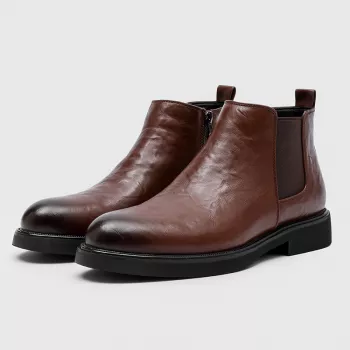
If you’re after the classic British-inspired ankle silhouette with a rugged, military-leaning edge, Men’s Vintage British Ankle Boots – Stylish Military Outdoor Shoes are designed to fit that role. They’re built to style easily with denim and outerwear while staying practical for everyday walking—an ideal “one pair does a lot” boot for fall through spring with the right sock choice.
| Item | Details |
|---|---|
| Product | Men’s Vintage British Ankle Boots – Stylish Military Outdoor Shoes |
| Price | 153.95 USD |
| Availability | In stock |
Prefer a lighter, sporty option for travel days or warm weather? Consider alternating with Nike Women’s Fuchsia Slip-On Lace-Up Sneakers to give your boots recovery time and keep your weekly rotation comfortable.
Yes, as long as they have a grippy rubber outsole and a stable heel base. They’re best for light trails and mixed terrain rather than steep, technical hikes.
The heel should feel secure with minimal lift, and the toes should have wiggle room without touching the front of the boot. A good fit stays comfortable when walking downhill, not just standing still.
It commonly takes a few wears to a couple of weeks, depending on the material thickness and stiffness. Start with shorter walks, and adjust socks or insoles to reduce rubbing while the boot molds to your foot.






Leave a comment