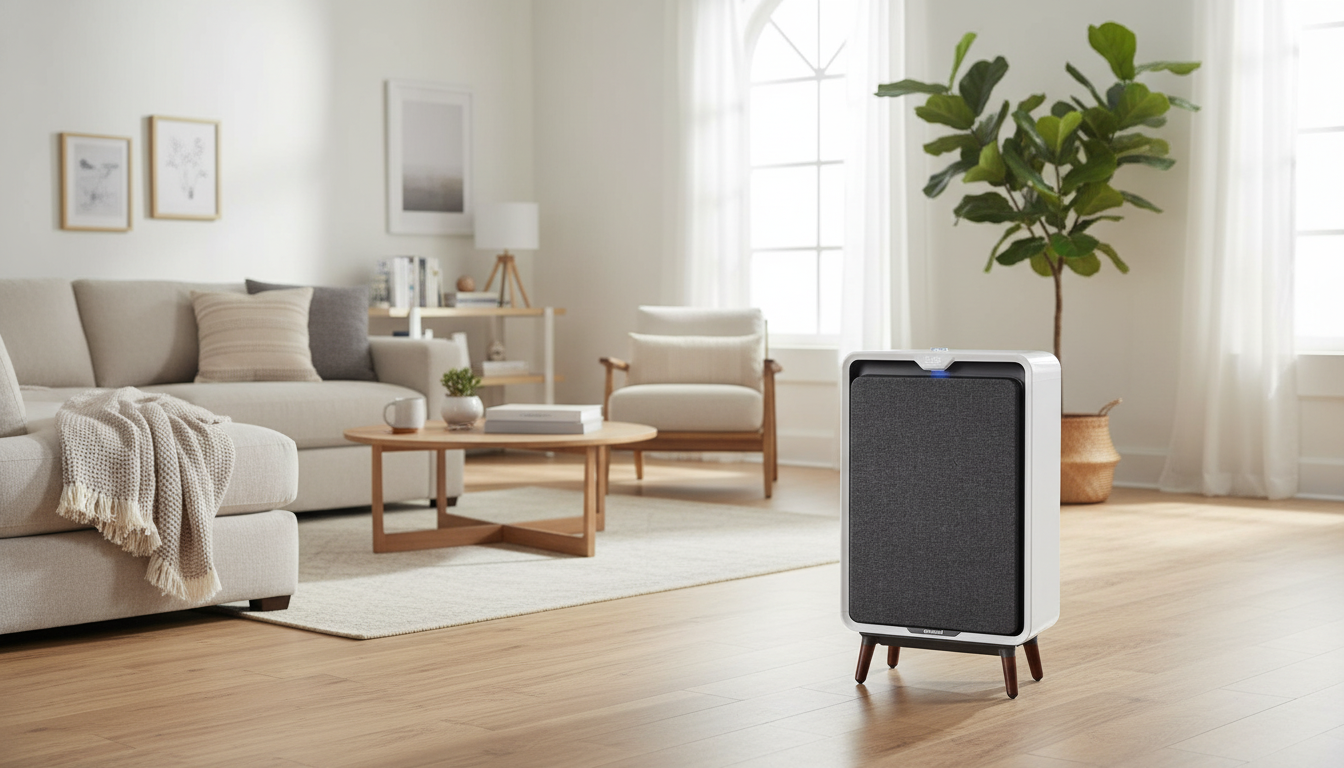
Cleaner indoor air often comes down to two things: capturing fine particles and reducing odors and gases—without adding distracting noise. A smart air purifier that combines a HEPA filter with an activated carbon filter is built to support fresher-feeling air in larger rooms, while offering controls that fit real life (cooking, pets, guests, and everyday dust).
Indoor air changes constantly. Foot traffic kicks up dust, HVAC cycles move allergens around, and everyday activities like frying food or using cleaning products can leave odors behind. A large-room air purifier with HEPA and carbon filtration is designed to help with a wide mix of common issues.
For a deeper look at how air cleaners work in real homes, the U.S. EPA’s air cleaners and air filters guidance is a helpful reference point for practical expectations.
It’s common to assume “air purification” is one job, but particles and odors behave differently. That’s why pairing HEPA with activated carbon can feel more complete in day-to-day use.
| Stage | Best for | Examples in a home |
|---|---|---|
| HEPA filter | Fine particle capture | Pollen, pet dander, dust, smoke particles |
| Activated carbon filter | Odor and some gas reduction | Cooking odors, litter box smells, lingering smoke odor |
Large rooms often need changing fan speeds depending on what’s happening. Smart controls reduce the friction of using the purifier consistently, which is usually the biggest factor in getting steady results.
If you’re comparing units for larger spaces, AHAM’s overview of CADR (Clean Air Delivery Rate) can clarify why airflow and verified performance matter as room size increases.
A purifier that’s “powerful” but too loud tends to get turned off—especially at night. Quiet comfort is a practical feature, not just a luxury, because it supports long run times when the room is occupied.
This routine is especially useful after high-pollution moments (vacuuming, heavy cooking, or a busy evening with doors opening). The idea is simple: clear the air faster when you need to, then maintain quietly once conditions stabilize.
| Home setup | What to consider | Tip |
|---|---|---|
| Single bedroom | Nighttime noise and steady filtration | Use a quieter setting overnight and boost during the day |
| Living room | Frequent traffic, dust, and outdoor air leaks | Place away from walls and near the center of activity |
| Open concept area | Air moves between zones | Size for the full connected space, not one corner |
During smoke events, keeping windows closed, reducing outdoor air exchange, and running filtration consistently can help. For seasonal guidance, the CDC’s wildfire smoke information covers practical indoor steps.
HEPA filters are designed to capture airborne particles, not odors. Odors and many gases are better addressed by activated carbon, so a unit that combines HEPA plus carbon can cover both particles and smells.
Replacement timing varies with pets, smoke exposure, cooking frequency, and overall air quality, but many households plan on months rather than weeks. Follow the purifier’s filter indicator when available, and replace sooner if odors return quickly or airflow noticeably drops.
Place it where airflow is open—away from walls, curtains, and furniture that can block intake or exhaust. In large rooms, positioning it near common pollutant sources (like seating areas, pet zones, or near the kitchen boundary) can help, as long as the vents remain unobstructed.




Leave a comment