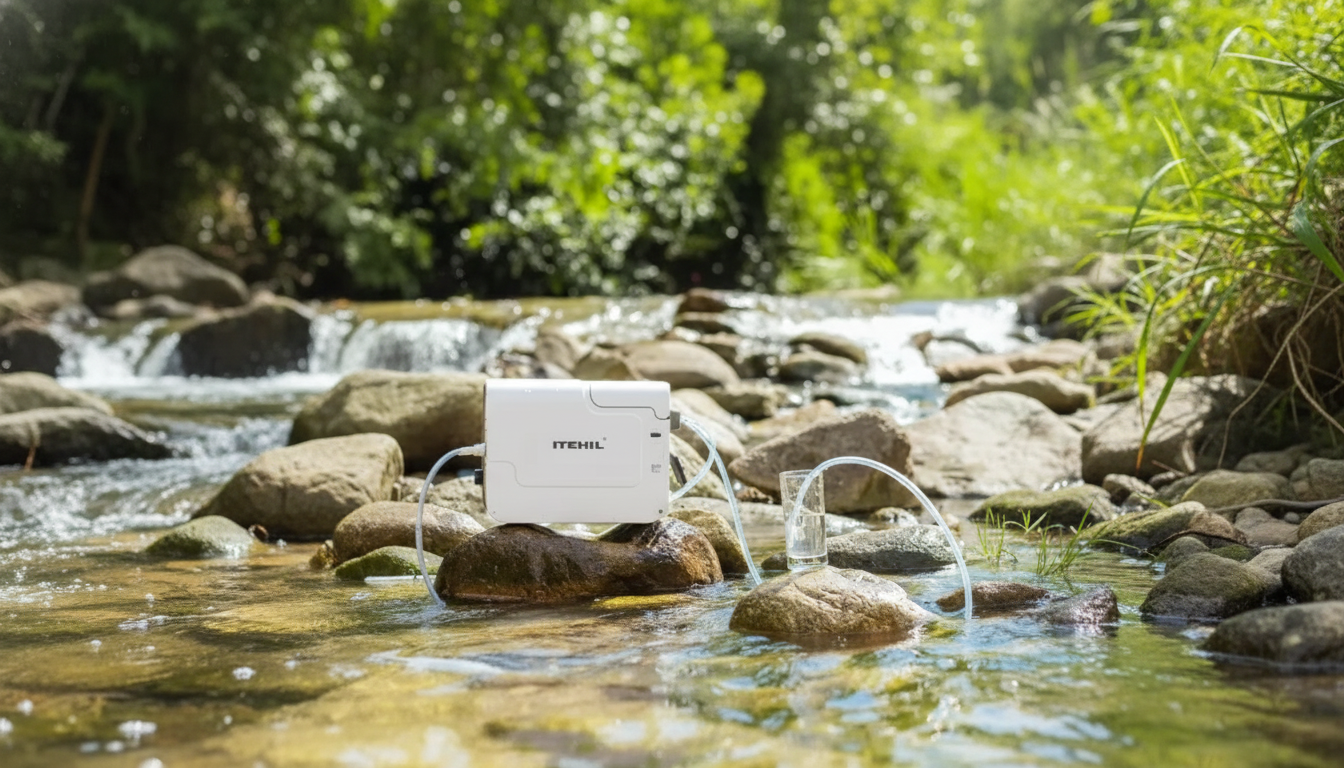
Cleaner-tasting water starts with a purifier that fits daily routines and addresses common concerns in stored or dispensed water. With a 7.13-gallon capacity, this ultra-efficient purifier is designed for households and small workplaces that want fewer refills, consistent filtration, and a straightforward way to manage water quality for drinking and cooking.
If you’re looking for a larger-volume option that helps keep filtered water ready for bottle fills, meal prep, and daily beverages, the Ultra-Efficient PVC Removing Water Purifier – 7.13Gal Capacity is built around that simple goal: more water on hand with a practical care routine.
Capacity is a quality-of-life feature. A larger reservoir can reduce how often someone has to stop what they’re doing to refill, wait, and restart the filtration cycle—especially in homes where multiple people pull water throughout the day.
Product language around plastics can be confusing because “plastics” may refer to different things depending on the context: visible particles, microscopic particulates, or chemical compounds. “PVC removing” is best treated as a claim that needs clarification through performance documentation whenever available.
For general context on regulated drinking water and contaminants, the U.S. EPA drinking water standards and regulations page is a helpful reference.
When choosing a purifier—especially a premium, high-capacity unit—day-to-day satisfaction tends to come from a handful of practical factors.
Multi-stage filtration often combines different media types, with each stage intended to address a category of issues (for example: sediment reduction, chlorine/taste/odor reduction, and other select compounds). The best match depends on what’s actually in your water and what you’re trying to improve.
Fast dispensing sounds great, but filtration often benefits from adequate contact time. The goal is consistent performance without creating bottlenecks for normal use.
Filters don’t “work forever.” A realistic replacement schedule—and sticking to it—matters as much as the initial purchase. Delayed replacements can reduce filtration effectiveness and affect taste.
Municipal water commonly has disinfectants (often chlorine or chloramine), while well water may have different challenges. If you’re unsure, start with your local water quality report or a basic at-home test, then match filtration to what you’re seeing. For broader public health guidance, the WHO drinking-water fact sheet provides high-level context.
With a larger tank, routine cleaning becomes more important. A consistent wash-and-rinse schedule helps prevent buildup on surfaces and keeps water tasting fresh.
| Detail | What to know |
|---|---|
| Product | Ultra-Efficient PVC Removing Water Purifier |
| Capacity | 7.13 gallons |
| Availability | In stock |
| Price | $1311.99 (USD) |
| Best fit | Homes or small offices that want fewer refills and a larger stored volume |
| Maintenance focus | Follow the recommended cleaning routine and replace filters on time |
A simple estimate is 0.5–1 gallon per person per day for combined drinking and light cooking. At that rate, 7.13 gallons lasts about 7–14 days for one person, 3–7 days for two people, and roughly 2–4 days for a family of four, depending on habits and how often bottles are filled.
Some purifiers can reduce particulate matter (including very small particles) depending on the filter media and pore size, but results vary by product and water conditions. The most reliable way to confirm is to review available testing, certifications, or performance claims and keep filters replaced on schedule.
Many households do well with weekly or biweekly cleaning, adjusted for usage, temperature, and how quickly the reservoir cycles. Follow the manufacturer’s guidance, use mild soap, and rinse thoroughly to avoid residue or taste transfer.




Leave a comment