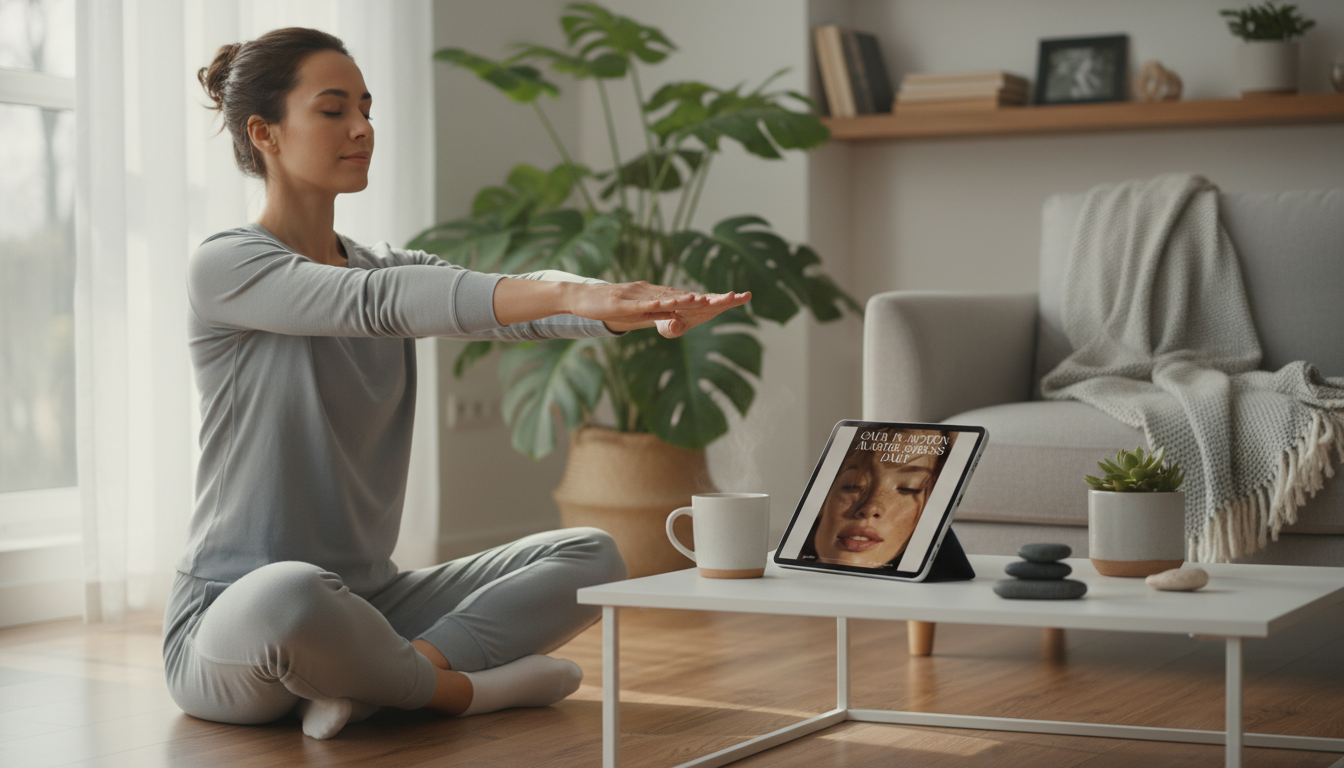
Stress often shows up in motion—between meetings, errands, notifications, and responsibilities. A steadier nervous system usually doesn’t come from one big breakthrough; it comes from small, repeatable resets that fit real life. The goal is to build a simple toolkit you can use on demand: quick body cues, breath patterns, attention anchors, and short reflections that help you regain clarity without needing perfect conditions.
Everyday stress can be easy to dismiss because it looks “normal” on the outside. Common signals include racing thoughts, irritability, jaw or shoulder tension, digestive discomfort, sleep changes, and reduced focus. When these show up repeatedly, it’s often a sign that your system is staying activated longer than it needs to.
“Busy stress” can feel different from a single stressful event. Frequent context switching (jumping between emails, messages, tabs, and tasks) keeps the body in a mild fight-or-flight state, even when nothing is truly dangerous. Over time, the impact is cumulative: less patience, less creativity, and more exhaustion.
Instead of aiming to eliminate pressure (which isn’t realistic), aim to reduce the intensity and duration of stress cycles. A simple check-in can interrupt the spiral:
When stress spikes, your thoughts may be loud—but your nervous system responds quickly to physical signals. A reliable reset can be done in under three minutes.
Change posture, unclench your jaw, drop your shoulders, and soften your hands. These small shifts send “safe enough” cues to the brain. If you can, place both feet on the floor and feel the support under you.
Try inhale for 4 seconds, exhale for 6 seconds for 1–3 minutes. Longer exhales tend to support a calmer state, especially when you keep the breath gentle rather than forced.
Gently label what’s happening—“planning,” “worrying,” “overthinking,” “bracing”—and then return to one anchor (breath, sounds, the sensation of your hands, or your feet on the ground). The aim isn’t to stop thoughts; it’s to stop getting pulled around by them.
Make it mobile by pairing this reset with transitions: before opening email, after parking, before meals, or right after a tense conversation.
Different stress moments call for different tools. Instead of searching for the “best” technique, pick one that matches the situation and time available.
| Moment | Practice | Time | What it supports |
|---|---|---|---|
| Morning start | 3 slow breaths + set one priority | 1–2 min | Focus and direction |
| Before a stressful task | Exhale-long breathing (4 in / 6 out) | 2–3 min | Calmer body state |
| Midday slump | Walk and notice 5 things you can see | 3–7 min | Reset attention |
| After conflict/trigger | Label the feeling + soften shoulders | 1–3 min | Emotional regulation |
| Evening wind-down | Device-off cue + body scan | 5–10 min | Sleep readiness |
Mindfulness doesn’t require a blank mind or a long session. It works best as “anchored attention”—placing awareness on one steady target while life continues. Choose an anchor you can access anywhere: breath, footsteps, ambient sounds, or the sensation of holding an object.
Try “one-breath mindfulness” between tasks: fully experience one inhale and one exhale, then take the next step. This is especially useful when your day is fragmented.
For evidence-based background on stress and coping, visit the American Psychological Association, the CDC’s coping resources, or the NCCIH overview of meditation and mindfulness.
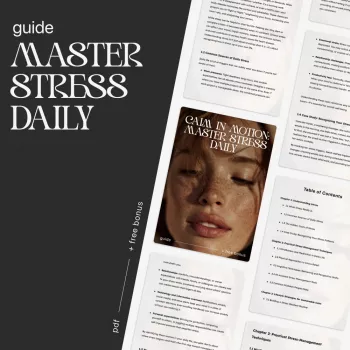
If you prefer a structured system rather than piecing ideas together, Calm in Motion: Master Stress Daily (digital download) is designed to help build repeatable daily plans: quick resets for busy moments, short practices for consistency, and longer options for weekends.
Two small, practical additions can make these rhythms easier to keep: a supportive comfort cue for downshifts like the Adorable Capybara Plush Pillow, and a reliable walking option for midday resets like the Nike Women’s Fuchsia Slip-On Lace-Up Sneakers.
Use longer exhales (inhale 4, exhale 6) for 60–180 seconds, relax shoulders and unclench the jaw, and ground with your senses by naming 5 things you can see. Label the emotion (“anxious,” “angry,” “overwhelmed”) and take a brief walk if you can to release tension.
Keep it small and tied to transitions: one mindful breath before emails, a 30-second body scan after parking, or noticing your footsteps during a short walk. Consistency matters more than duration—choose a daily minimum you can actually repeat.
It can help by tailoring check-ins to your time and stress level, tracking triggers you might miss, and offering simple next steps when your brain feels overloaded. It works best as a support for practice and reflection, not as a replacement for professional care when symptoms are severe or persistent.






Leave a comment