HomeBlogBlogBamboo Baby Feeding Set: Bowl, Plate, Spoon, Fork & Bib

Bamboo Baby Feeding Set: Bowl, Plate, Spoon, Fork & Bib

Bamboo Baby Feeding Set: Bowl, Plate, Spoon, Fork & Bib

Bamboo Baby Feeding Set with Bowl, Plate, Spoon, Fork & Bib

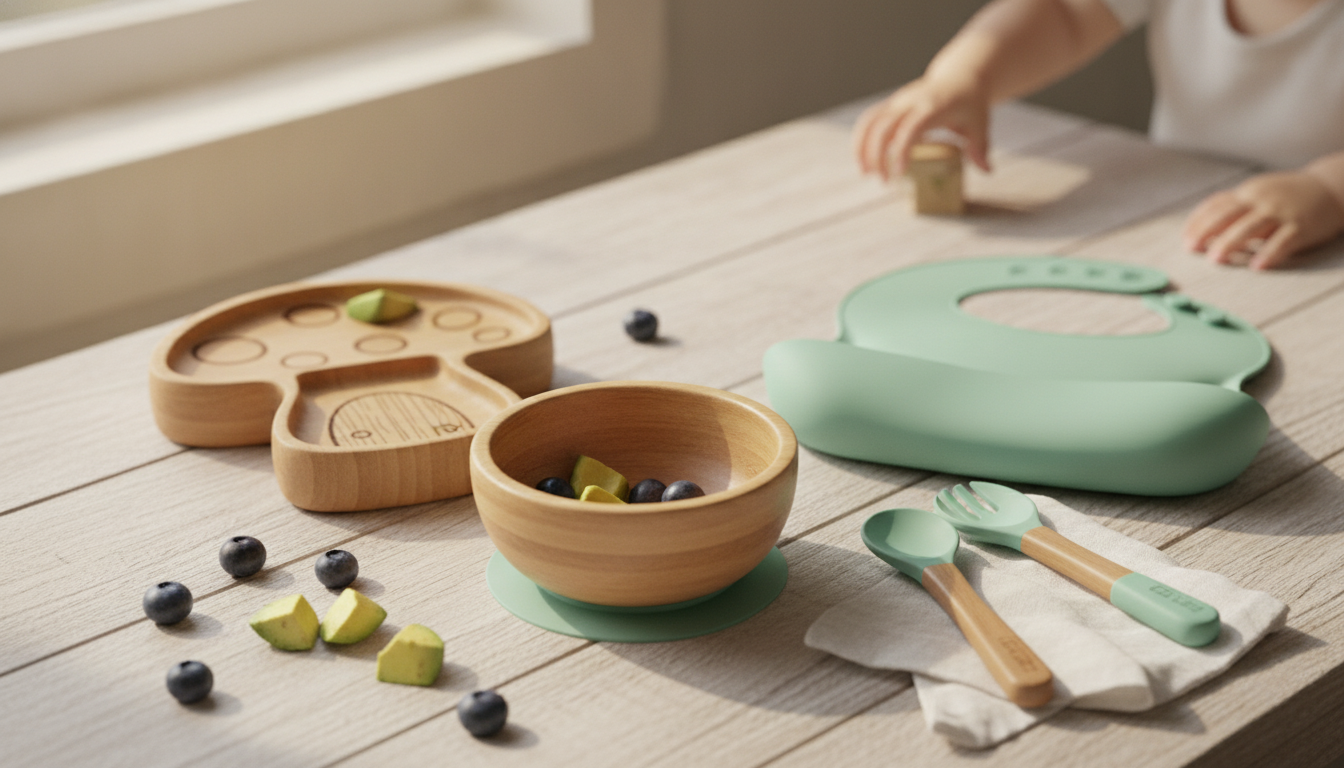
A streamlined mealtime kit can make early self-feeding feel less chaotic and more consistent. This bamboo set bundles the essentials—dishware, utensils, and a bib—so daily routines stay simple while supporting little hands learning to scoop, stab, and sip. When everything you need is in one place, it’s easier to keep portions predictable, manage mess, and build confidence one bite at a time.

What’s Included and Why Each Piece Matters

Early feeding is a mix of exploration and practice. Each piece in a complete set has a role—some help with portioning and variety, others help your child practice grip and coordination, and the bib helps you reset quickly between attempts.

  • Bowl: Suited for oatmeal, yogurt, mashed foods, and small portions that are easier to scoop.
  • Plate: Helps separate textures and foods, making it simpler to introduce variety.
  • Spoon: Supports early scooping with a comfortable, kid-friendly size.
  • Fork: Useful as coordination improves; helps transition to more grown-up utensils.
  • Bib: Reduces outfit changes and helps keep cleanup contained.

Set Components at a Glance

Item Best for Daily tip
Bowl Purees, cereal, soft solids Serve thicker textures to reduce spills while learning
Plate Finger foods and mixed meals Offer 2–3 foods to encourage exploration without overwhelm
Spoon Scooping and dipping Preload the spoon occasionally to build confidence
Fork Soft chunks and bite-sized foods Start with softer foods (banana, avocado) before firmer items
Bib Mess management Rinse right after meals to prevent stains and odors

Why Bamboo Is a Popular Choice for Baby Tableware

Bamboo tableware is often chosen for the way it blends everyday practicality with a calmer, more natural look. While every material has trade-offs, families frequently like bamboo for a few straightforward reasons.

  • Lightweight feel: Can be easier for toddlers to handle than heavier materials.
  • Warm, simple appearance: Naturally attractive, with a soft look that fits a tidy feeding setup.
  • Plastic-reducing routines: Often selected by families aiming to reduce reliance on plastics in everyday life.
  • Comfortable to the touch: Typically feels less “cold” than some alternatives.

For broader context on materials intended for food contact, the FDA provides an overview of food contact substances and how they’re regulated.

Comfort and Learning: Supporting Early Self-Feeding

Self-feeding is a skill set, not a switch that flips overnight. Small adjustments to the setup can reduce frustration and help a baby or toddler stay engaged long enough to practice.

  • Keep portions small: Smaller servings lower frustration and reduce tipping or sweeping.
  • Use consistent placement: Try a repeatable “map” (for example: bowl on the left, plate in the center, utensils on the right) so your child learns what to expect.
  • Model simple actions: Scoop, bring to mouth, set utensil down—repeat calmly and slowly.
  • Plan for mess: Mess is part of learning; use the bib and an easy-wipe mat for faster resets between bites.

If you’re aligning mealtime routines with age-appropriate feeding guidance, the American Academy of Pediatrics offers an overview of starting solid foods, and the CDC also shares practical nutrition guidance for infants and toddlers.

Care and Cleaning Tips to Help Bamboo Last

A little routine care can help bamboo pieces stay smooth and attractive over time. Since bamboo is a natural material, it generally does best with gentle washing and prompt drying.

  • Hand-wash when possible: Use mild soap and warm water; avoid prolonged soaking.
  • Dry promptly: Towel-dry or air-dry soon after washing to help prevent warping or surface wear.
  • Avoid high heat: Skip microwaves and high-heat dishwasher cycles unless the product instructions explicitly allow it.
  • Refresh the finish if needed: If the surface looks dry over time, a small amount of food-safe oil may help maintain appearance (follow maker guidance).

Safety Notes for Baby Feeding Sets

Even the most practical set works best when paired with simple safety habits. Keep mealtimes supervised and do quick checks before each use.

  • Supervise meals: Especially when introducing utensils and new textures.
  • Inspect regularly: Look for cracks, splinters, or loose parts; replace if damaged.
  • Check attachments: Confirm any silicone components (if present) are intact and securely attached.
  • Follow age and care guidance: Use the manufacturer’s recommendations and your pediatric guidance for readiness.

A Practical Gift for New Eaters

A bundled feeding set is an easy win for gift-giving because it covers multiple everyday essentials at once. It’s especially useful for families setting up a dedicated high-chair station, stocking a daycare bag, or creating a simple “mealtime drawer” with just the basics.

  • Baby shower or first birthday: A complete set feels thoughtful and immediately usable.
  • Pairs well with add-ons: A straw cup, splash mat, or snack container can round out a feeding setup.
  • Great for routine-building: Familiar pieces help kids learn faster because the tools don’t constantly change.

Shop In-Stock Picks

FAQ

Is bamboo dinnerware safe for babies?

Bamboo dinnerware made for food contact can be a practical option when used as directed. Always supervise meals, inspect pieces for damage, and follow the manufacturer’s care instructions—especially around heat and cleaning.

Can a bamboo bowl and plate go in the dishwasher or microwave?

Many bamboo items are best hand-washed and kept away from high heat, since heat and soaking can shorten their lifespan. Follow the specific product instructions, and avoid microwaving or using high-heat dishwasher cycles unless clearly permitted.

What age is a bowl-plate-utensil set best for?

These sets are commonly used from the start of solids and through toddlerhood as utensil skills develop. Readiness varies by child, so align timing with pediatric guidance and your baby’s developmental cues.

Was this article helpful?

Yes No
Leave a comment
Top

Yay! 10% Off Just for You!

Join our community and enjoy 10% off your first order. Subscribe for exclusive deals!

Shopping cart

×