The Budget-Friendly Home Decorating Checklist: Affordable Tips, DIY Ideas, and a Simple Plan for Every Room
A new space can feel finished without expensive, rushed purchases. A checklist-based approach keeps decisions simple: set priorities, measure first, shop with intention, and use a few high-impact updates that look polished. The steps below focus on practical upgrades, DIY-friendly wins, and a room-by-room flow that helps stretch a decorating budget while still creating a cohesive home.
Start With a Clear Plan (Before Buying Anything)
- Define the purpose of each room: daily activities, storage needs, and who uses the space most.
- Choose a simple style direction (3 words): examples include “light, cozy, minimal” or “warm, vintage, clean.”
- Measure everything that matters: wall widths, window sizes, ceiling height, walkway clearance, and rug zones.
- Collect a small palette: 1 neutral base, 1–2 accent colors, and 1 metal/wood tone to repeat across rooms.
- List what stays, what goes, and what can wait: avoid replacing items that function well, even if they’re not your “forever” style.
If you want an organized place to keep measurements, priorities, and shopping notes, The Budget-Friendly Home Decorating Checklist (digital download) is designed to keep each purchase tied to a plan, a spot, and a purpose.
Set a Realistic Budget That Matches Impact
- Split spending into anchors vs. finishers: anchors (sofa, bed, rug) shape the room; finishers (pillows, art, hardware) polish it.
- Reserve a buffer: delivery fees, mounting supplies, light bulbs, and returns add up fast.
- Splurge strategically: pieces touched daily (mattress, desk chair) or visually dominant items (rug, curtains).
- Create a shopping rule: no purchase without measurements and a planned location.
- Track costs in one quick list: small “just one more thing” buys can quietly exceed the plan.
Simple budget split for a new-home refresh
| Category |
What it includes |
Suggested share |
| Anchor pieces |
Sofa/bed frame, main rug, key storage |
45–55% |
| Lighting |
Lamps, bulbs, simple fixtures |
10–15% |
| Window + textiles |
Curtains, bedding, towels, throws |
10–15% |
| Wall updates |
Paint, peel-and-stick, frames, mirrors |
10–15% |
| Decor + finishing |
Pillows, plants, trays, styling items |
5–10% |
| Buffer |
Tools, hardware, delivery, returns |
5% |
High-Impact Upgrades That Cost Less Than Replacing Furniture
- Paint with purpose: refresh one focal wall, a hallway, or trim for an instant “new” feel. For safer results, ventilate well and follow indoor air guidance like the U.S. EPA’s tips: Improve Indoor Air Quality.
- Swap hardware: cabinet pulls, knobs, and switch plates modernize kitchens and baths quickly.
- Update lighting layers: aim for overhead + task + ambient (lamps) so the room feels intentional at every hour. LED upgrades can also reduce energy use; see ENERGY STAR lighting basics.
- Go bigger on the wall: one oversized print, a DIY canvas, or a large mirror can fill visual space without needing dozens of small pieces.
- Let textiles do the heavy lifting: a larger rug, longer curtains, and cohesive pillow covers can upgrade nearly any room instantly.
Room-by-Room Checklist (Prioritize the Spaces Used Daily)
- Entry: add hooks, a small tray, and a runner so clutter has a “home” the moment you walk in.
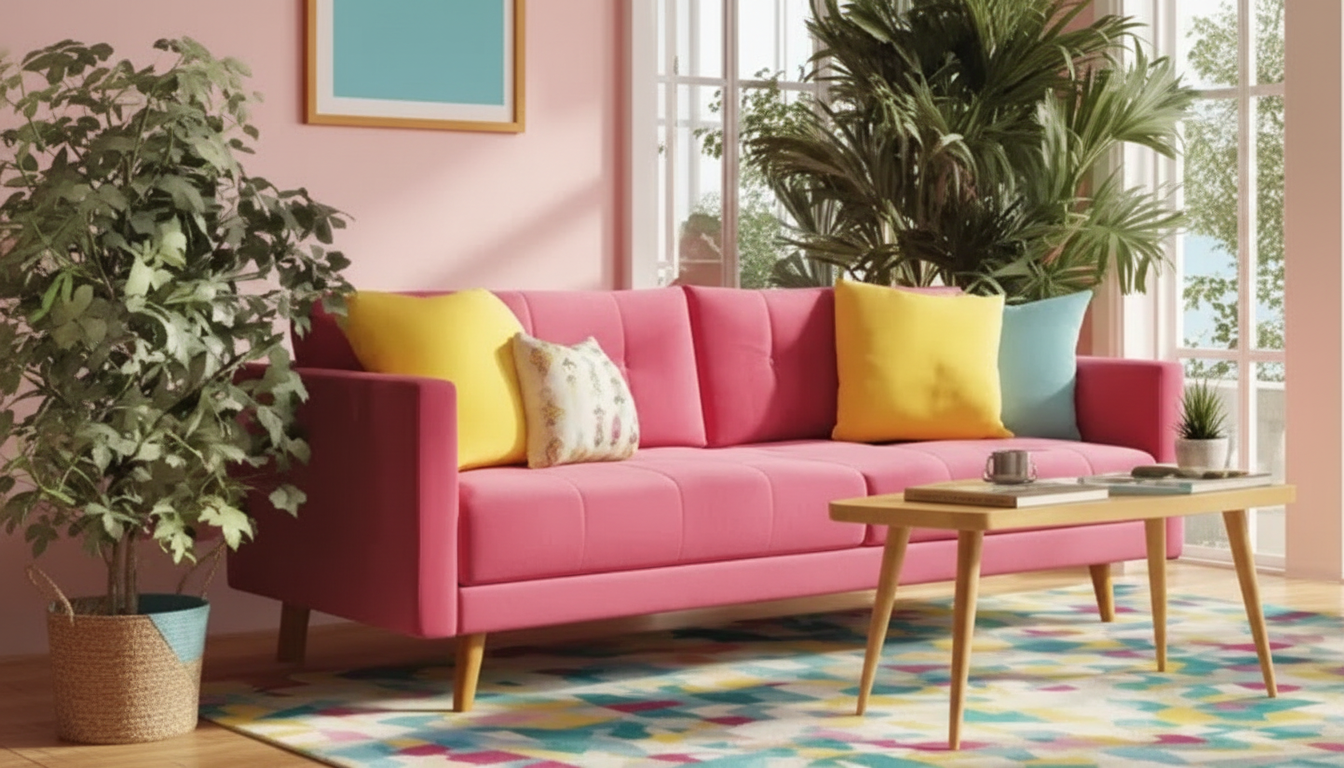
- Living room: start with a correctly sized rug, then add layered lighting and a simple gallery wall or mirror to reflect light.
- Kitchen: prioritize function—drawer organizers, under-cabinet lighting, and matching containers reduce visual noise.
- Bedroom: invest in sleep basics (blackout option, layered bedding) and add two sources of soft light (bedside + ambient).
- Bathroom: matching towels, a washable rug, and one lidded container make it feel upgraded fast.
- Work/desk area: a comfortable chair, cord control, and task lighting improve daily life without major cost.
Affordable DIY Inspiration That Looks Polished
For an easy “cozy factor” without a full furniture swap, a playful accent like the Adorable Capybara Plush Pillow can add softness to a bed, reading chair, or kids’ corner while you save for bigger upgrades.
Shopping Smart: Where to Save, Where to Spend
- Secondhand best buys: solid wood dressers, side tables, frames, lamps (rewire if needed), and baskets.
- Budget-friendly new buys: pillow covers, curtains, adhesive hooks, LED bulbs, and organizers.
- Splurge when it affects comfort/safety: mattresses, desk chairs, sturdy shelving, and properly sized rugs.
- Use a 24-hour rule for non-essentials: it prevents impulse buys that don’t match your plan.
- Double-check return policies: shipping costs and return windows can quietly erase “savings.” For general consumer shopping guidance, review the FTC’s resources: FTC shopping and buying guides.
If you plan to time purchases around major sales, Shop Smart, Save Big This Prime Day (digital download checklist & eBook) can help keep deal-hunting focused on items you already planned and measured for.
Make It Cohesive Without Buying Everything at Once
Downloadable Checklist: A Simple Way to Stay On Track
Find it here: The Budget-Friendly Home Decorating Checklist | Digital Download.
FAQ
What should be bought first when decorating a new home on a budget?
Start with essentials that affect daily comfort and the layout: seating/sleep needs, a correctly sized rug, and lighting. Add storage next so the room functions, then finish with wall decor and accessories once you know what you truly need.
How can a room look finished without spending a lot?
Stick to a consistent palette, hang curtains higher and wider, and add layered lighting for a polished feel. Choose a few larger statement pieces (like one oversized wall print or mirror) instead of many small items, and consider quick hardware swaps for an instant update.
Is a digital decorating checklist actually useful?
Yes—having measurements, priorities, and a shopping list in one place reduces impulse purchases and helps prevent costly returns. It also keeps spending focused on the highest-impact changes first, so the home comes together in a more cohesive order.
Recommended for you




Leave a comment