Genuine Leather Pointed-Toe Ankle Boots: A Polished Staple for Cooler Months
A sharp pointed toe and a clean ankle-boot silhouette can instantly refine everyday outfits while still feeling practical when temperatures drop. The best pairs balance style with substance: genuine leather that wears in (not out), a toe box that looks sleek without squeezing, steady heel construction, and a profile that works from weekday meetings to dinner plans. Below is a straightforward guide to what to look for so your boots feel as good as they look.
What makes these ankle boots stand out
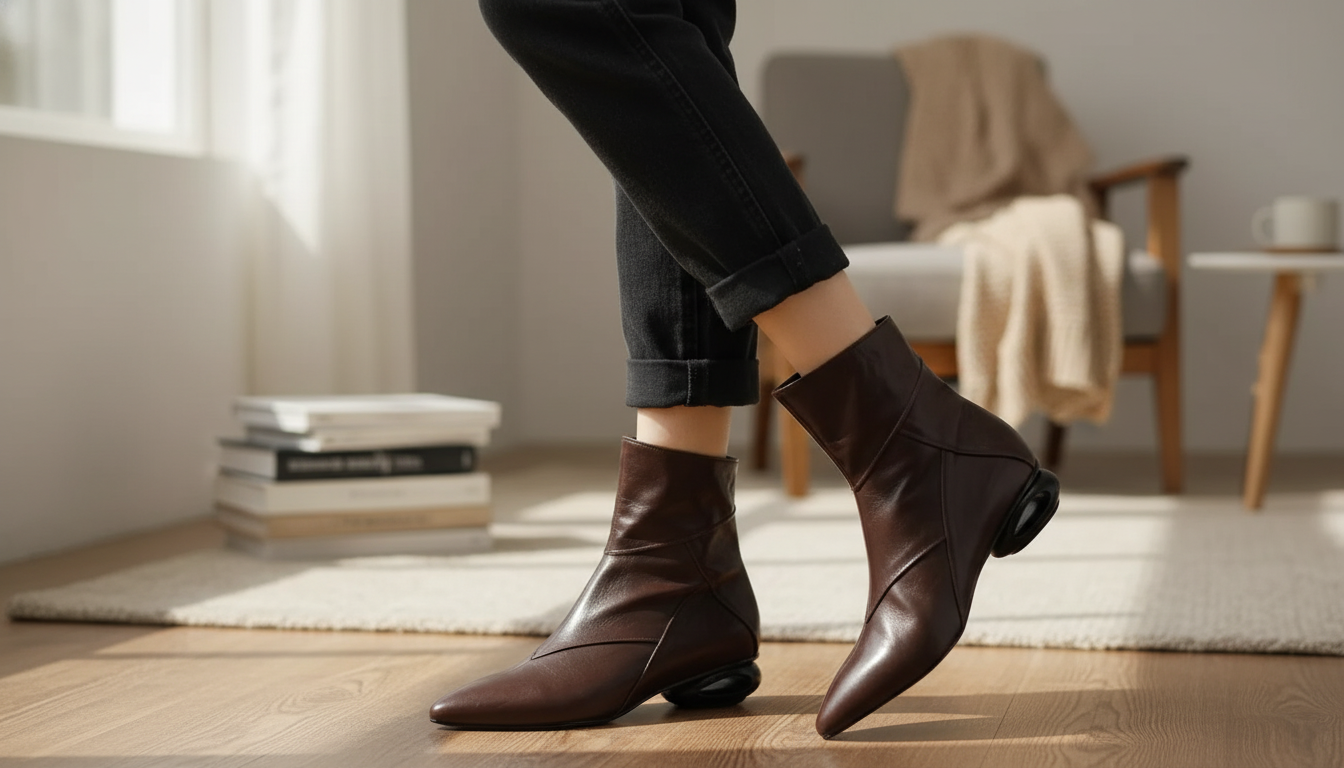
- Polished pointed-toe shape that visually elongates the leg and pairs well with both tailored and casual looks.
- Genuine leather upper for a refined finish that can soften and mold slightly with wear, creating a more personal fit over time.
- Ankle-boot height that transitions easily across seasons and layers well with socks or tights.
- Versatile profile that can move from office-ready outfits to evening plans without requiring a shoe change.
If you’re ready to shop, start with the core style here: Genuine Leather Pointed Toe Ankle Boots for Women.
Materials and craftsmanship to look for in genuine leather
Not all “leather” boots look or age the same. The easiest way to avoid disappointment is to check for quality signals you can see and feel right away.
- Leather grain and feel: a natural texture and supple hand-feel typically indicates a better hide than an overly plastic-like coating.
- Lining and interior comfort: smooth linings reduce friction at the heel and along the sidewalls of the foot, especially during break-in.
- Stitching consistency: even stitch length and clean seams reduce weak points that may split under stress.
- Edge finishing: neatly finished toplines and seam edges improve comfort (less rubbing) and help boots keep their shape longer.
Quick quality checklist for leather ankle boots
| Checkpoint |
Why it matters |
What to check at arrival |
| Leather surface |
Affects longevity and how the boot ages |
Even color, minimal blemishes, no cracking or sticky coating |
| Seams and stitching |
Reduces risk of splitting under stress |
Straight stitching lines, no loose threads, reinforced stress points |
| Heel attachment |
Stability and long-term wear |
Heel feels solid with no wobble; no gaps at the join |
| Sole traction |
Confidence on slick sidewalks |
Defined tread; no overly smooth contact areas |
| Insole comfort |
All-day wearability |
Cushioning under ball of foot and heel; no lumps or raised glue spots |
For practical cleaning and conditioning basics, this guide is a helpful reference: Leather care basics (cleaning and conditioning guidance).
Fit and sizing notes for a pointed toe
Pointed-toe boots can look sleek, but the shape changes how pressure is distributed across the front of the foot. A great fit should feel secure and aligned—not pinched.
- Toe shape considerations: pointed toes may feel narrower; ensure your toes can lie flat without pressure at the tip. If your big toe feels forced inward, sizing or width may be off.
- Heel security: a stable heel cup reduces slippage. Walk indoors on a hard floor for a minute or two; a little movement is normal, but repeated lifting can lead to blisters.
- Sock strategy: decide whether you’ll wear thin dress socks, thicker winter socks, or tights. That choice can change whether you should stay true to size or size up slightly.
- Break-in expectations: genuine leather often relaxes a bit; the initial fit should be snug but never painful or numbing.
- Common pressure points: check the widest part of the forefoot and the top of the foot near the vamp—these are common “hot spots” in pointed styles.
If you need a refresh on measuring and fit considerations, the American Podiatric Medical Association offers practical guidance here: Footwear fit tips and measuring guidance.
Comfort, support, and day-to-night wear
Style matters, but comfort determines whether you actually reach for the boots again tomorrow. Small construction details can make a noticeable difference over a full day.
- Heel height balance: moderate heels are often easier for extended wear. Stand still for a moment—if you feel pushed forward or your knees lock, reconsider the height.
- Footbed feel: if you prefer more arch support, a thin insole can add comfort without making the toe box feel cramped.
- Ankle mobility: ankle boots should allow natural flex while walking; overly stiff collars can rub the ankle bones.
- Weight and stability: a well-balanced boot feels secure underfoot, reducing fatigue during commutes or long nights out.
- Weather practicality: prioritize traction for slick sidewalks, and plan ahead for wet conditions by protecting the leather.
Styling ideas: outfits that work with a pointed-toe ankle boot
Leather care and maintenance for long-lasting wear
Value and purchase checklist before wearing outdoors
Shop related picks
FAQ
Do pointed-toe ankle boots run small?
They can feel smaller because the pointed shape narrows where your toes sit. Choose a size that lets your toes lie flat without pressure at the tip, then fine-tune the fit with a thin insole or heel grips if you need minor adjustments.
How should genuine leather boots be protected from rain and salt?
Apply a leather protector before wear, then wipe off moisture and salt marks promptly with a lightly damp cloth. Let the boots air dry away from direct heat, and condition them once fully dry to keep the leather from stiffening.
What outfits pair best with pointed-toe ankle boots?
For work, pair them with tailored, slightly cropped trousers; for casual wear, choose straight-leg jeans; for dressier looks, try midi skirts. Keep hems either meeting the boot top or leaving a small gap to maintain flattering proportions.
Recommended for you






Leave a comment