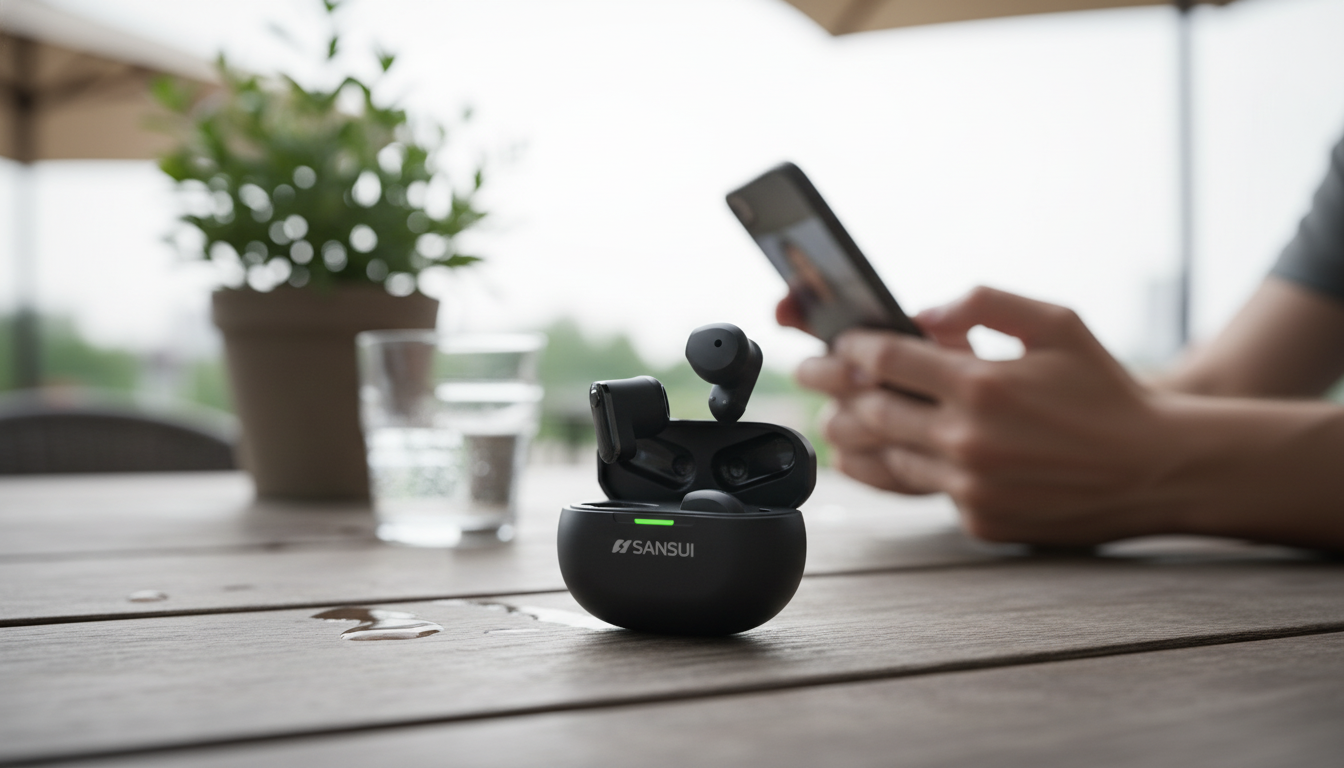
Pocket-friendly true wireless earbuds can be a daily essential for calls, commuting, workouts, and quick listening breaks. Compact Bluetooth TWS earbuds are designed to stay light in your pocket and low-profile in your ears, while ENC-style noise reduction helps make voice calls easier to understand in busy places. Add an IPX4 rating, and you get everyday protection against sweat and splashes—ideal for walks, gym sessions, and unpredictable weather, as long as you’re not soaking them.
Compact true wireless earbuds focus on convenience: easy carry, quick pairing, and cable-free movement. They’re often chosen for mixed use—conference calls, commuting, and light workouts—where comfort and reliable microphone performance matter as much as sound.
| Feature | What it helps with | Good to know |
|---|---|---|
| Compact TWS form factor | Comfort and portability | Fit depends on ear tips and insertion angle |
| ENC for calls | Reducing background noise picked up by mics | Different from active noise cancellation for listening |
| IPX4 rating | Sweat and light rain protection | Avoid showers, swimming, or rinsing under a tap |
| Bluetooth wireless | Phone/laptop pairing and freedom from cables | Keep device firmware and OS updated for stability |
ENC (Environmental Noise Cancellation) typically targets the microphone signal during calls. Instead of trying to silence the world for the listener, it aims to reduce the background noise that your earbuds’ microphones pick up—so the person on the other end hears more of your voice and less of your environment.
A simple real-world tip: if you’re walking outside and call clarity drops, shifting so the mic side is less exposed to wind can help more than raising your voice. Also, a loose fit can change mic positioning, so re-seating the earbuds before a meeting can reduce “hollow” or distant-sounding voice pickup.
IPX4 indicates resistance to splashing water from any direction and is commonly suitable for sweat. It’s meant for everyday moisture—like a sweaty run, a damp hat, or a light drizzle—not for direct water streams or immersion. For background on IP ratings, the IEC 60529 IP code is widely referenced (see IEC 60529/IP code overview).
| Scenario | Recommended | Notes |
|---|---|---|
| Gym workout (sweat) | Yes | Wipe dry before placing in the case |
| Light rain walk | Yes | Keep the case protected from water |
| Shower | No | Direct water flow and heat add risk |
| Swimming | No | IPX4 is not designed for immersion |
For safer listening habits, especially during commutes, keeping volume moderate can help reduce fatigue over long sessions. General guidance on noise exposure is available from CDC/NIOSH.
Bluetooth earbuds are at their best when pairing is smooth and reconnection is consistent. Most hiccups come down to crowded wireless environments, switching between multiple devices, or charging-contact issues. For deeper technical background, Bluetooth publishes an overview of the standard at Bluetooth Core Specification resources.
| Issue | Try this | Why it helps |
|---|---|---|
| Audio stutter | Move phone to front pocket / reduce obstacles | Improves signal path |
| Low call clarity | Re-seat earbuds; reduce wind; speak closer | Mic positioning matters |
| One side not charging | Clean contacts gently; reinsert firmly | Restores electrical contact |
| Not reconnecting | Forget device and pair again | Resets Bluetooth profile |
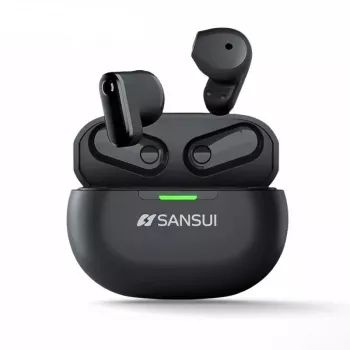
If you want an everyday pair built around portable comfort, clearer calls, and splash resistance, the Compact Bluetooth TWS Earbuds with ENC Noise Cancelling & IPX4 Waterproof are a practical pick for commuting, office calls, and workouts where IPX4 coverage is enough.
| Item | Price | Availability |
|---|---|---|
| Compact Bluetooth TWS Earbuds with ENC Noise Cancelling & IPX4 Waterproof | $36.49 | In stock |
No. ENC usually focuses on reducing background noise captured by the microphones during calls, while active noise cancellation (ANC) reduces ambient sound for the listener; results vary by environment and fit.
No. IPX4 is designed for splashes, sweat, and light rain, not direct water streams or immersion; dry the earbuds and case before charging to avoid contact issues.
The most common cause is a poor seal from the wrong ear tip size or shallow insertion. Try different tips, re-seat the earbuds, and clean the ear tips to remove buildup that can affect sound.




Leave a comment