HomeBlogBlogCozy Family Dinner Planning With Kids: Roles & Routine

Cozy Family Dinner Planning With Kids: Roles & Routine

Cozy Family Dinner Planning With Kids: Roles & Routine

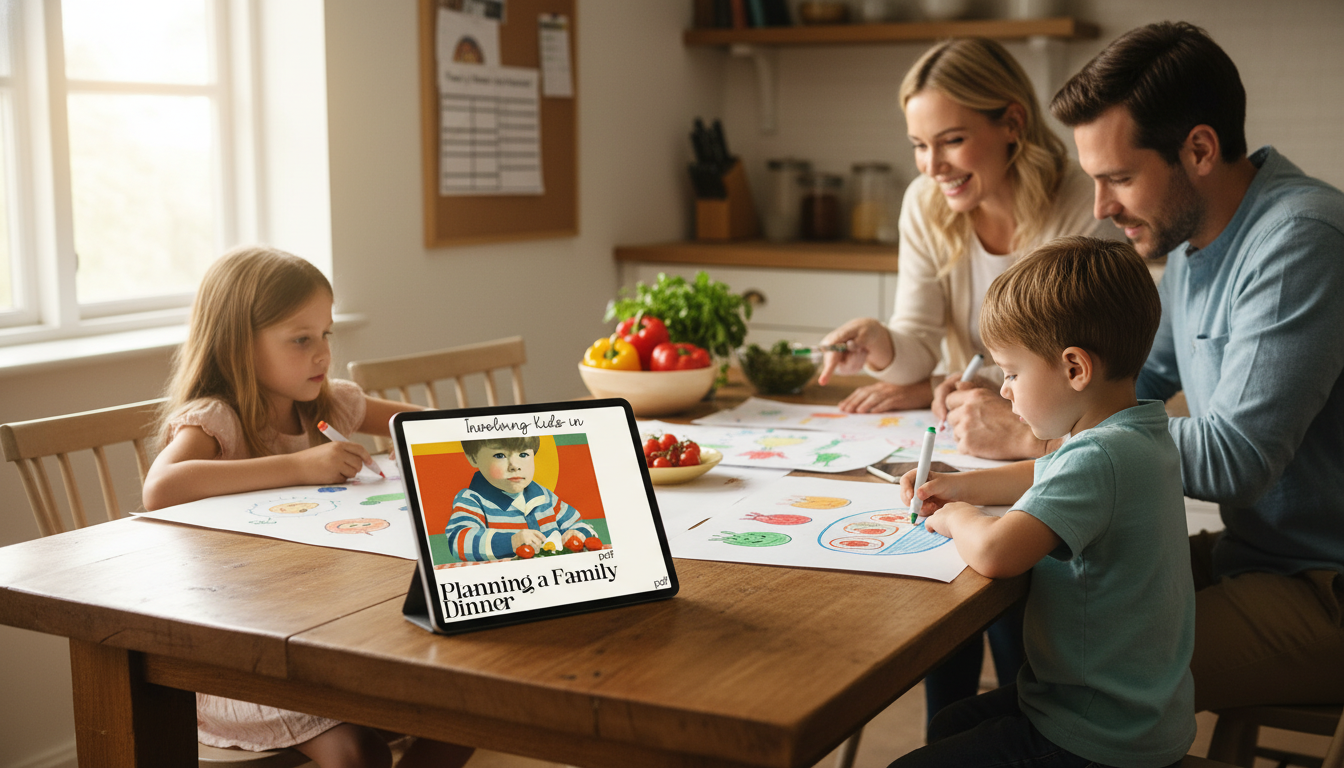
Involving Kids in Planning a Cozy Family Dinner

A cozy family dinner feels easier—and more meaningful—when kids help shape it. With age-appropriate roles, clear boundaries, and a few simple tools, children can contribute to the menu, set the mood, and practice real-life skills without turning dinner prep into a power struggle. The goal isn’t perfection; it’s creating a predictable, warm rhythm where everyone has a small job and a place at the table.

Why kids belong in the dinner plan

  • Builds ownership: children are more likely to try foods they helped choose or prepare.
  • Strengthens connection: shared rituals (music, candles, a simple “high/low” chat) create predictability and warmth.
  • Teaches practical skills: budgeting basics, kitchen safety, planning ahead, and cleanup routines.
  • Reduces mealtime friction: expectations are set earlier, not debated at the table.

When kids participate before dinner starts, the emotional temperature usually drops at the table. They already know what’s coming, what their job is, and where their choices fit in.

Set the tone: cozy doesn’t mean complicated

  • Pick a dinner theme that matches your time and energy: breakfast-for-dinner, taco night, soup & bread, or a pasta bar.
  • Create a short “cozy checklist”: tidy table, soft lighting, a simple centerpiece (even a small bowl of fruit), and a calm start time.
  • Use a predictable structure: plan → prep → eat → reset, so kids know what happens next.
  • Keep the goal realistic: one small kid-led choice is enough to make the night feel special.

If “cozy” starts feeling like a performance, scale back. One candle, one playlist, and one shared job can be more calming than an elaborate menu.

Kid-friendly roles by age (so everyone wins)

Choose roles that match attention span, coordination, and safety needs. The fastest way to create conflict is to assign a task that’s too hard (or too boring) for the child in front of you.

Age-based planning roles and time estimates

Age Planning job Kitchen job Time needed Adult support
2–4 Choose between 2 options Set napkins/cups 5–10 min Close supervision
5–7 Pick a fruit/veg Measure, stir, assemble 10–20 min Frequent check-ins
8–10 Help build menu list Prep toppings, simple salad 20–30 min Safety reminders
11–13 Draft a short plan Cook one component 30–45 min Skill coaching
14+ Plan menu + budget Lead a station 45–75 min Light supervision
  • Ages 2–4: rinse produce, tear lettuce, place napkins, choose between two approved sides.
  • Ages 5–7: measure ingredients, stir, assemble simple items (wraps, sandwiches), set a timer.
  • Ages 8–10: read a recipe step, grate cheese (with supervision), make a simple salad, portion toppings.
  • Ages 11–13: cook one component (pasta, rice), handle basic knife skills with guidance, manage a prep list.
  • Teens: plan a full menu once a month, shop with a budget, lead one “station” (main/side/dessert).

A simple planning routine kids can follow

Use the same routine each week so the “how” becomes automatic—and kids can focus on the fun parts (choices, roles, and cozy details).

  • Step 1: Choose the “anchor” (main dish) and build two easy sides around it.
  • Step 2: Decide the “try-it bite”: a small new food or a new way to serve a familiar food.
  • Step 3: Assign roles: one planner, one table-setter, one helper, one cleanup captain (rotate weekly).
  • Step 4: Make a mini timeline: what happens 30 minutes before dinner, 10 minutes before, and after.
  • Step 5: Keep choices bounded: offer 2–3 options per category to prevent decision fatigue.

Boundaries make kids feel safe. Instead of “What do you want for dinner?” try “Should we do tacos or soup tonight?” You’re still leading, but they get meaningful input.

Menu ideas that feel cozy and stay flexible

  • Build-your-own bowls: rice or pasta base + protein + veggies + sauce (each child creates their own).
  • Comfort soups: tomato soup with grilled cheese, chicken noodle, or lentil soup with warm bread.
  • Sheet-pan dinners: one pan, one timer, easy cleanup; kids can arrange ingredients by “color groups.”
  • Taco or pita night: toppings in small bowls; kids can help wash, chop soft items, and label toppings.
  • Dessert ritual: fruit + yogurt + sprinkles, or hot cocoa after dinner on colder nights.

If you’d like nutrition ideas and family-friendly guidance, these references can help you keep meals balanced without overcomplicating dinner: American Academy of Pediatrics: Healthy Active Living for Families and CDC: Nutrition for Everyone.

Make it smoother: boundaries, picky eating, and kitchen safety

A ready-to-use toolkit for planning night

If you want a done-for-you structure, the Family Dinner Guide eBook with kid-friendly planning checklist and printable toolkit is designed to walk kids through planning, roles, and a simple reset routine so the evening feels calmer and more predictable.

For families who like planning systems in general (meals, outings, and weekends), the Digital Family Travel Guide for stress-free planning can also pair well with a “shared planning night” mindset—same idea, different setting.

FAQ

How can kids help plan dinner without making it take longer?

Use bounded choices (two options), assign one small role per child, and stick to a simple timeline (30 minutes before, 10 minutes before, after). Rotating roles weekly also prevents repeated explanations and confusion.

What if a child refuses to eat the meal they helped plan?

Keep one familiar “safe food” available, avoid pressure, and treat participation as the main win. Offer a tiny “try-it bite” on the side and let the child choose portions.

What are good starter dinners for involving younger kids?

Choose meals with easy assembly tasks like tacos, a pasta bar, soup with toppings, or sheet-pan dinners where kids can arrange ingredients and help set the table.


Was this article helpful?

Yes No
Leave a comment
Top

Yay! 10% Off Just for You!

Join our community and enjoy 10% off your first order. Subscribe for exclusive deals!

Shopping cart

×