HomeBlogBlogFour-Legged Fleece Dog Outfit: Warm Fit for Winter

Four-Legged Fleece Dog Outfit: Warm Fit for Winter

Four-Legged Fleece Dog Outfit: Warm Fit for Winter

Cozy Four-Legged Fleece Dog Outfit for Autumn & Winter: Warmth, Fit, and Everyday Comfort

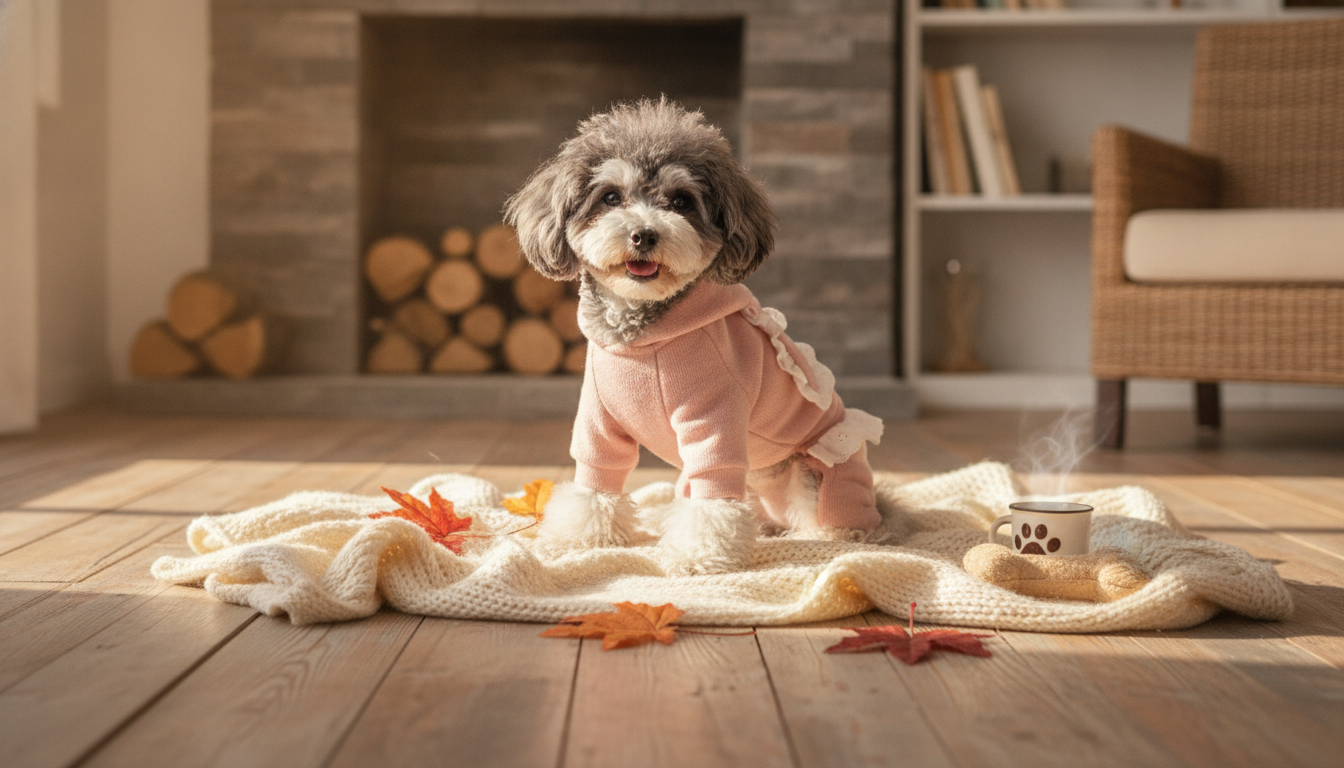
Chilly walks, drafty homes, and damp fall mornings can leave many dogs shivering—especially small breeds, seniors, and short-coated pups. A four-legged fleece outfit helps hold in body heat while keeping shoulders, belly, and legs covered for more consistent warmth during autumn and winter routines.

Why a Four-Legged Fleece Outfit Makes Sense in Cold Seasons

Classic sweaters can be helpful, but full-coverage, four-leg designs are built for more complete warmth and protection—particularly when wind, cold ground, and light moisture combine.

  • Full-coverage warmth: Four-leg outfits can reduce heat loss through the chest, belly, and limbs compared with back-only sweaters.
  • Better protection on wet, windy days: They help shield fur and skin from cold gusts and light drizzle during quick outings.
  • Useful for indoor drafts too: Many homes cool down at night; fleece can support comfort during resting and sleep.
  • Good match for low-to-the-ground dogs: Belly coverage helps when sidewalks, grass, and patio surfaces are cold.
  • Helps keep coat cleaner: Extra underside coverage can reduce mud and debris contact on fall walks.

For broader winter guidance beyond clothing, these safety checklists are worth skimming: ASPCA cold weather tips and AKC winter safety tips.

What to Look For: Comfort, Mobility, and Practical Details

The best fleece outfit is the one your dog can move in naturally. Small design details—like seam placement and stretch—make a big difference after 10 minutes on a walk.

  • Soft, non-itch lining and seams: Reduces rubbing at armpits, chest, and inner thighs.
  • Stretch and recovery: A little give helps with bending, sitting, and running without the outfit sliding or twisting.
  • Secure closure placement: Closures should avoid pinching fur and should not press into the throat or shoulder blades.
  • Leg openings and cuffs: Snug enough to stay in place, but not so tight that they leave deep marks.
  • Hygiene-friendly design: A cut that keeps the potty area clear helps minimize mess and reduces frequent wash cycles.
  • Leash compatibility: If you use a harness, plan for a harness-over or harness-under setup that doesn’t bunch fabric around the shoulder blades.

Sizing and Measuring: Getting the Fit Right the First Time

Even the warmest fleece won’t feel “cozy” if it pulls at the shoulders or twists around the ribs. Measuring carefully before you buy helps you avoid returns and helps your dog stay comfortable from the first wear.

  • Measure chest girth at the widest part behind the front legs; this is often the most important measurement.
  • Measure back length from the base of the neck to the base of the tail; avoid counting the tail itself.
  • Measure neck circumference where a collar naturally sits; make sure it won’t tighten when the dog lowers its head.
  • Check leg length and joint comfort: For short legs, avoid excess fabric that drags; for longer legs, avoid cuffs that ride up.
  • Aim for the “two-finger rule” at openings: enough room to slide two fingers under cuffs/neck without strain.
  • Do a movement test after dressing: ask for a sit, a few steps, and a gentle trot to confirm no pulling at shoulders or hips.

Quick Fit Check Before the First Walk

Checkpoint What to Look For Fix if Needed
Neck opening Comfortable when head lowers; no choking Size up or loosen closure; avoid tight collars under outfit
Chest and shoulders No pulling at armpits when stepping forward Try a larger chest size or a stretchier cut
Leg cuffs Stays in place without leaving deep marks Adjust cuffs; size up if indentations remain after removal
Belly coverage Warmth without blocking potty area Choose a cut with a clearer underside or shorten coverage
Back length Ends near base of tail; doesn’t ride up Re-check back measurement; consider different size

When Dogs Benefit Most From Extra Warmth

Some dogs are naturally more cold-sensitive than others. Clothing can be especially helpful when the weather changes quickly during fall and early winter.

Care and Maintenance for Fleece Dog Clothing

Cold-Weather Safety Tips While Wearing an Outfit

Product Spotlight: Cozy Four-Legged Fleece Dog Outfit for Autumn & Winter

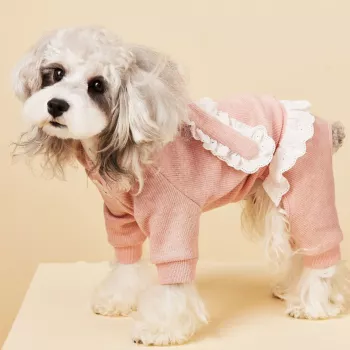
If you’re looking for a simple way to add full-body warmth during the cold season, the Cozy Four-Legged Fleece Dog Outfit for Autumn & Winter is designed to cover the chest, belly, and legs for more consistent insulation on brisk walks and during cool evenings at home.

More Cozy Picks for Cold-Season Comfort

FAQ

How do dogs act when they’re too cold on a walk?

Common signs include shivering, slowing down, lifting paws off the ground, tucking the tail, or refusing to continue (some dogs will try to be carried). Warm your dog up promptly and contact a veterinarian if symptoms persist or your dog seems unusually distressed.

Can a dog wear a fleece outfit all day indoors?

It depends on your home temperature, your dog’s coat type, and how easily your dog overheats. Supervise at first, check skin for rubbing, and remove the outfit if you notice panting, restlessness, or itchiness.

How tight should a four-legged dog outfit be?

It should be snug enough to stay in place but not restrictive; use the two-finger rule at the neck and cuffs. Confirm comfort with a quick movement test (sit, walk, trot) and watch for rubbing at the armpits or tight cuff marks.

Was this article helpful?

Yes No
Leave a comment
Top

Yay! 10% Off Just for You!

Join our community and enjoy 10% off your first order. Subscribe for exclusive deals!

Shopping cart

×