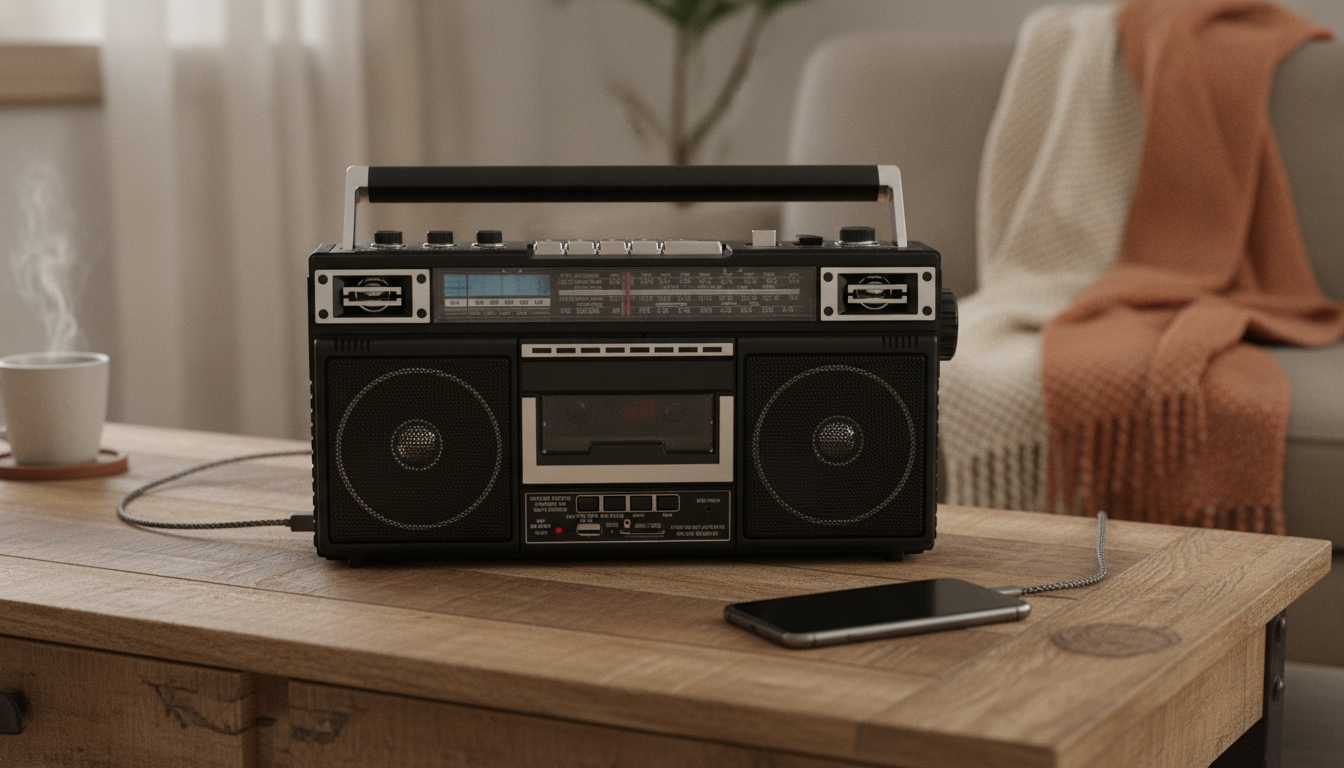
A retro-style radio speaker delivers that classic tabletop look—knurled knobs, a dial-inspired face, and a timeless grille—while still fitting today’s listening habits. With Bluetooth streaming, quick pairing, and room-friendly sound, it can be a simple “grab-and-play” centerpiece for a kitchen counter, office shelf, or bedside table. If you want audio that feels less screen-dependent (without giving up convenience), a retro Bluetooth radio speaker is an easy upgrade that also doubles as décor. For more guidance, see Old valve radio to bluetooth speaker conversion.
Unlike a plain black box speaker, a retro Bluetooth radio speaker blends old-school styling with modern playback. The goal is equal parts function and atmosphere: it looks like a classic radio, but it behaves like a current wireless speaker. For further reading, see Realistic is back! – AudioKarma.
Retro styling is fun, but the best designs also make daily use effortless. A few small details can determine whether it feels charming or fussy.
Bluetooth performance is what turns a good-looking speaker into something you’ll actually use every day. In real homes, the obstacles are predictable: walls, appliances, and multiple people swapping devices.
For background on how Bluetooth works and why versions and profiles matter, the Bluetooth SIG offers a helpful overview. For general consumer electronics guidance and avoiding interference issues, the FCC Consumer Guides are a useful reference.
Retro cabinets often aim for a warm, easygoing presentation—great for casual listening, dinner prep playlists, and podcasts. The cabinet size and design shape what you’ll hear, so it helps to match expectations to the footprint.
| What to compare | Why it matters | Quick way to verify |
|---|---|---|
| Control style | Determines how easy it is to adjust volume and playback without a phone | Look for clear knobs/buttons and readable labels |
| Connection reliability | Prevents dropouts and frustration during daily use | Check Bluetooth range expectations and pairing behavior |
| Sound at low volume | Important for bedrooms, offices, and late-night listening | Listen for clear vocals without needing to turn up |
| Cabinet size | Affects bass presence and how well it fills the room | Match speaker dimensions to room size and placement |
| Charging/power needs | Impacts portability and where it can be placed | Confirm battery vs. plug-in use and cable convenience |
If you want the retro look without giving up modern convenience, the Retro Bluetooth Radio Speaker makes an eye-catching centerpiece that still fits everyday streaming. It’s a natural choice for shelves, desks, and sideboards where simple controls and classic styling matter as much as the sound.
Power on the speaker (and charge it first if it’s portable), then turn on Bluetooth on your phone and select the speaker from the available devices list. If it doesn’t appear, activate pairing mode if needed and restart both devices before trying again.
If the speaker includes a wired input like AUX, it can play audio from non-Bluetooth sources with a cable. If it doesn’t have a wired option, Bluetooth will be required for playback.
Dropouts are commonly caused by distance, walls or metal obstacles, nearby Wi‑Fi/appliance interference, or low battery. Moving the speaker closer, reducing obstacles, and re-pairing often clears up the issue.



Leave a comment