A calming home is less about perfection and more about small, repeatable choices that reduce visual noise, soften sensory stress, and support daily routines. When the space feels easier on the eyes and gentler on the body, it becomes simpler to rest, reset, and move through the day with less friction. The ideas below focus on low-effort changes you can repeat even when energy is limited—because “restorative” should describe an ordinary Tuesday, not only the day after a deep clean.
Instead of trying to calm the whole house at once, choose one small area that stays consistently clear. This “anchor” becomes proof that the home can feel steady, even when everything else is in progress.
| Time | What to do | Best for | What to ignore (for now) |
|---|---|---|---|
| 2 minutes | Clear one surface + toss obvious trash + return 5 items to their homes | Instant visual relief | Deep cleaning, organizing drawers |
| 10 minutes | Start a small “sort pile” (keep/donate/relocate) + wipe one high-touch area | Stopping clutter creep | Rearranging furniture, labeling bins |
| 30 minutes | One-zone reset (entryway, nightstand, coffee table) + laundry/quick vacuum | Feeling refreshed without exhaustion | Closet overhaul, full-room purge |
“Visual quiet” is what happens when your eyes don’t have to work so hard. It’s not sterile; it’s simply less stimulating.
A calmer home doesn’t just look different—it feels different. Small sensory adjustments can reduce stress and support better rest over time (and chronic stress can take a real toll on the body, as noted by the American Psychological Association).
For sleep-supportive choices (especially in the bedroom), lean on practical guidance like the CDC’s sleep hygiene tips—small environmental cues add up.
Think “tiny systems,” not “big projects.” Each room only needs one or two default behaviors that prevent clutter from collecting in the first place.
Rituals are what make calm repeatable. They work best when they’re short, specific, and tied to something you already do.
If you want a mindset reset alongside the practical steps, mindfulness basics can help you relate to your space (and your thoughts about it) with less reactivity—see the NCCIH overview on mindfulness.
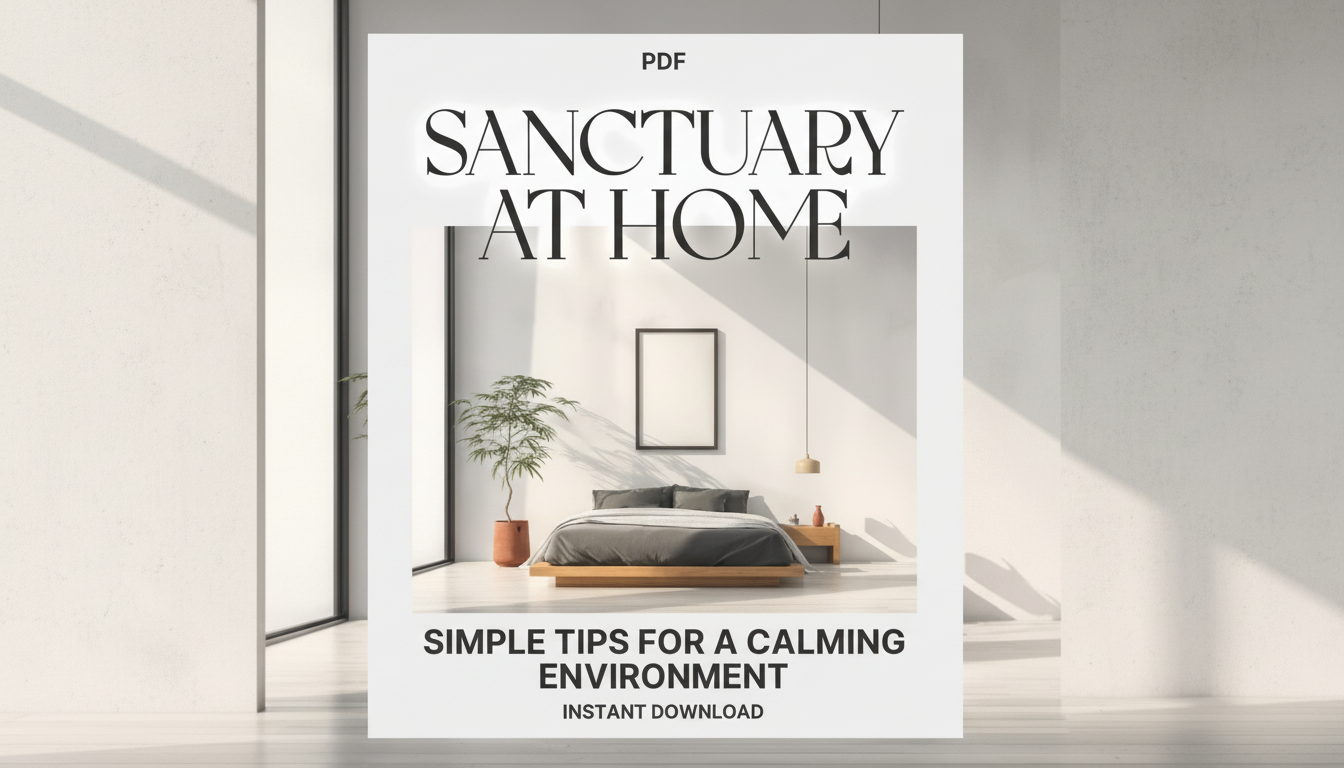
To make this even easier to repeat, keep a saved copy of Sanctuary at Home: Simple Tips for a Calming Environment (digital download) as your “default plan” when you don’t want to think.
For a cozy, low-commitment comfort cue, consider adding one soft texture to your anchor spot—something like the Adorable Capybara Plush Pillow that can live on a chair or bed and instantly makes the space feel friendlier without adding visual clutter.
Clear one surface, remove obvious trash, put away 5–10 items, and switch to softer lighting. A small visible win reduces stress quickly and makes the next step feel easier.
Use fewer items, but choose warmer textures and layered lighting—then create one comfort corner for reading, tea, or stretching. Cozy comes from intention and sensory ease, not lots of decor.
Give essentials assigned homes, do a quick daily closing routine, and use one-in/one-out for visible categories. A weekly 10-item release keeps “clutter creep” from rebuilding.





Leave a comment