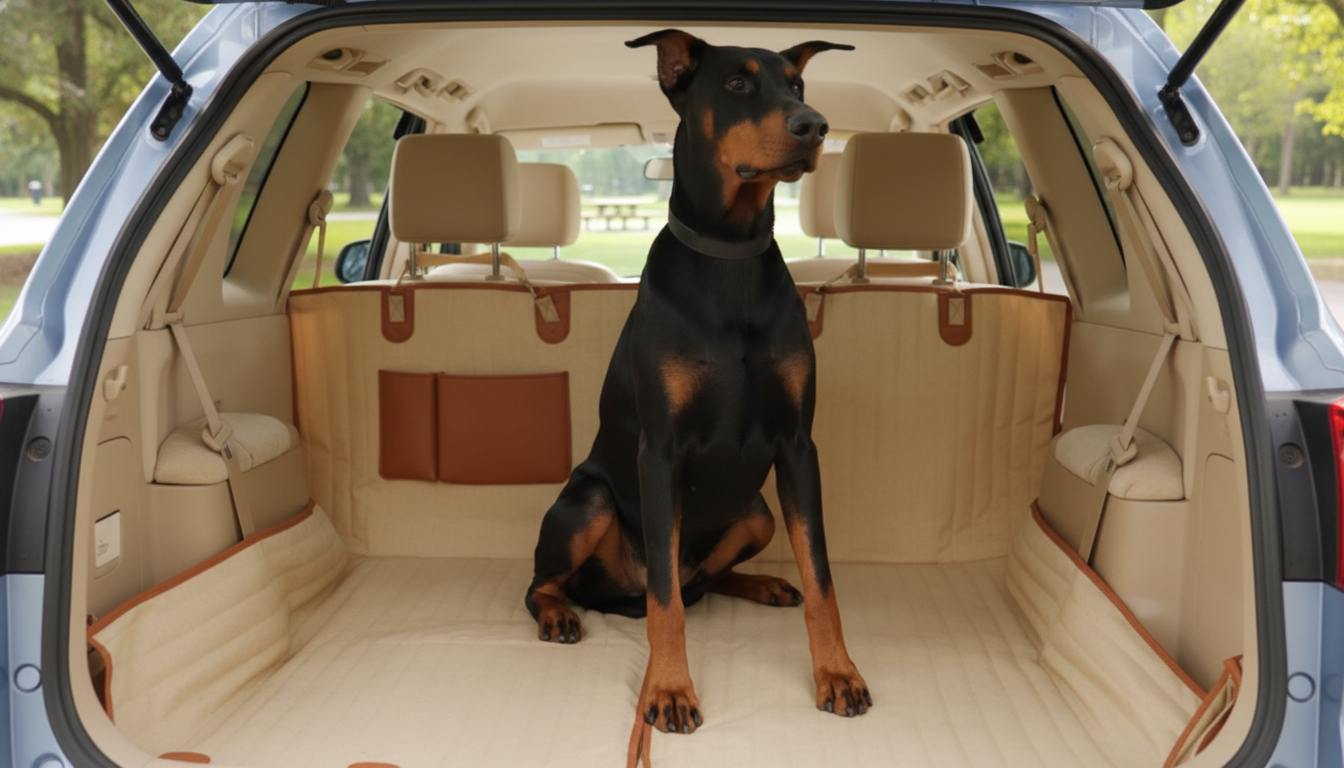
A car dog hammock with side flaps helps keep back seats protected from mud, fur, and scratches while giving dogs a more secure surface during turns and stops. Side flaps are the difference-maker for door panels and seat edges—two areas that get scuffed fast when a dog braces, leans out to look around, or hops in with sandy paws. Below is a practical guide to what side flaps actually do, what “sturdy” should mean in daily use, how to fit and install a hammock-style cover, and how to keep it clean over time.
Side flaps create a physical barrier between paws/claws and interior door trim when a dog shifts position or braces during braking. This is especially helpful for dogs that naturally “post up” against the door on turns.
Flaps can reduce slipping at the edge of the seat and help dogs feel less exposed when stepping in or out. The extra coverage keeps the seat edge from becoming a slick launch point—particularly on leather or vinyl.
Side flaps catch sand, drool, and debris that would otherwise fall into door seams and seat creases. Fewer crumbs and grit in those tight gaps usually means less lingering odor and less wear on the upholstery.
Hair tends to migrate to the door armrest and window ledge when dogs lean or shake. Flaps keep fur and dander more contained, making cleanup quicker after errands, daycare runs, or trail days.
Look for secure headrest straps and durable buckles that resist slipping on longer rides. A hammock that loosens over time can sag in the center and encourage footing problems.
A grippy underside or seat anchors help prevent the hammock from sliding, especially on leather seats. The goal is a stable “platform” that stays put when the dog turns around or stands up to reposition.
High-stress areas include the flap edges, the seat-bridge section, and strap junctions. Reinforcement here matters more than a thick feel alone, because these points take the most pulling and shifting.
A protective layer helps manage wet paws, rain-soaked coats, and accidental spills before they reach the upholstery. Even if a cover isn’t fully waterproof, a water-resistant barrier buys time to wipe things up.
Sturdiness is a combination of fabric weave and stitching; nails can still damage most fabrics without trimming. For the best results, keep nails maintained and use a cover that stays taut—loose fabric tends to snag.
Measure your back-seat width and confirm the hammock spans the seat without leaving exposed edges near the doors. A slightly wider cover is usually better than one that barely reaches the seat corners.
Prioritize designs with seatbelt openings or compatibility with a crash-tested harness tether so restraint remains usable. For general travel safety guidance, review recommendations from the American Veterinary Medical Association (AVMA) and the ASPCA. For pet restraint research and product testing context, see the Center for Pet Safety.
| Style | Best for | Main protection area | Trade-offs |
|---|---|---|---|
| Hammock with side flaps | Dogs riding solo in the back seat, frequent muddy trips | Seat + seat back + door panels + footwell gap | Slightly more setup; needs headrests/anchors to stay taut |
| Standard hammock (no flaps) | Basic seat protection | Seat + seat back + footwell gap | Door panels still exposed to scratches and drool |
| Bench cover | Shared back seat with humans | Seat surface | Dog can step into footwell; less containment |
| Cargo liner | SUV cargo area riders | Trunk floor and seat backs (some models) | May need extra coverage for side walls and bumper lip |
If door scuffs, fur buildup along the armrest, and muddy seat edges are recurring problems, a side-flap design is the most complete back-seat solution. The Sturdy Car Dog Hammock With Side Flaps is designed to extend coverage beyond the seat surface by adding side flaps that help shield doors from scratching and dirt.
For a broader approach to everyday pet wellness beyond the car, the Dog & Cat Longevity Checklist can be a handy at-home reference for routines, preventive care, and small habits that support long-term health.
Properly sized flaps are meant to sit inside the door frame, not outside it. Smooth the flap down so it lays flat and keep fabric clear of latches, seals, and sharp trim to avoid pinching.
No. A hammock primarily protects your interior and improves footing, but it isn’t crash protection. Use a restraint that fits your vehicle and connects through the cover’s seatbelt openings or designated access points.
Tighten the headrest straps evenly, use seat anchors, and choose a cover with a non-slip backing. Cleaning the seat surface first helps the backing grip instead of sliding on dust or leather conditioner residue.






Leave a comment