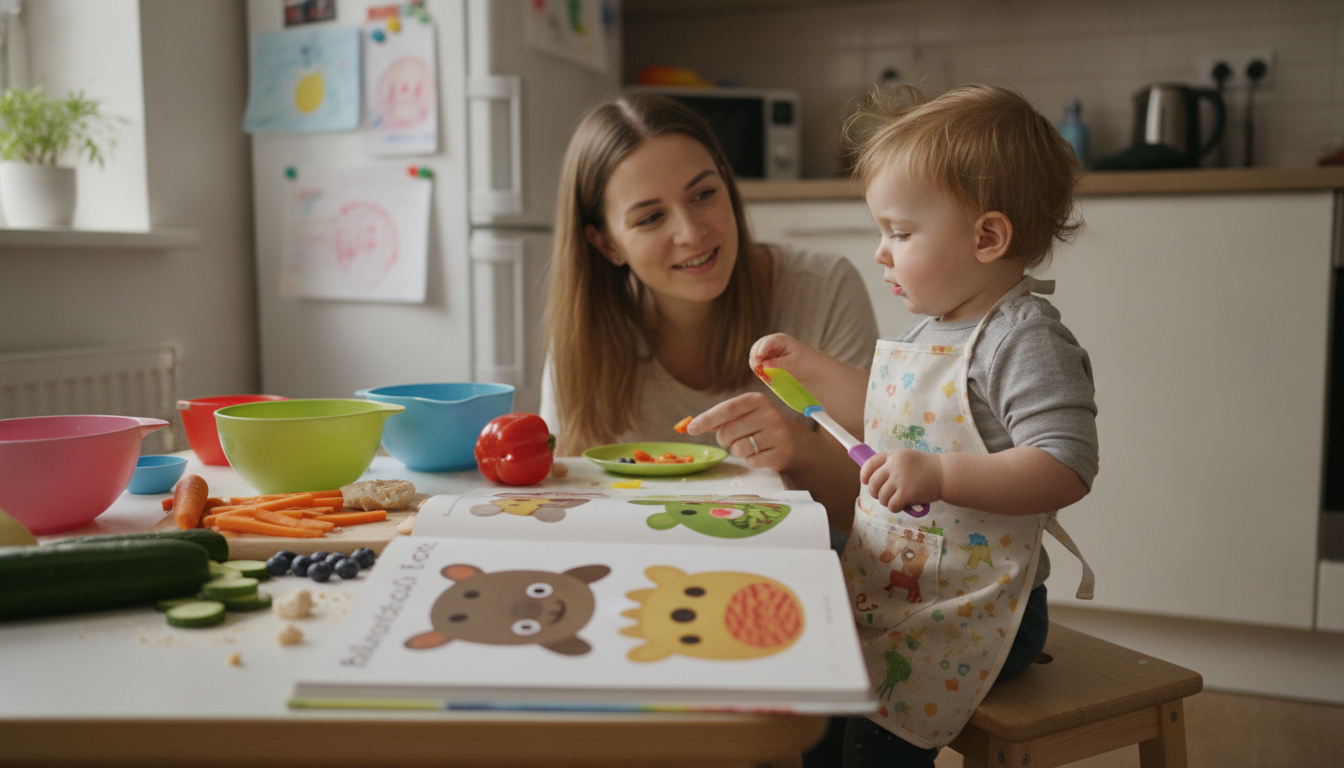
“Trick” can sound sneaky, but the goal is usually simple: reduce pressure, make food feel familiar, and help a picky eater take tiny, low-stress steps toward more variety. The best strategies feel like a game to the child and a plan to the adult.
Serve a pea-sized taste of a new food next to a safe favorite. Calling it a “try bite” (or letting them choose the size) often works better than a full portion that feels overwhelming.
Combine one familiar “yes” food with one “learning” food at the same meal. For example: buttered noodles plus a single broccoli floret, or a cheese quesadilla plus a teaspoon of salsa on the side.
Some kids reject foods based on shape or texture more than flavor. Try changing the cut: coins vs. sticks, shredded vs. chopped, or roasted vs. steamed. The ingredient stays the same, but it may suddenly feel acceptable.
Instead of “Do you want carrots?” ask “Carrot sticks or cucumber rounds?” Choice gives control without turning dinner into a negotiation.
Let them help wash berries, stir yogurt, snap green beans, or sprinkle cheese. Handling food counts as progress and can reduce the “unknown” factor that drives pickiness.
Predictable meal/snack times help appetite do its job. If a food is refused, keep your tone neutral, avoid bribing, and try again another day—repetition without pressure is surprisingly powerful.
For a practical, parent-friendly plan (including easy meal ideas and a simple checklist), see the full guide here: picky eater meals and 7-day kid plan.
Pick a small set of reliable options with protein, carbs, and produce—like yogurt, eggs, cheese, tortillas, rice, pasta, berries, or cucumbers—so each meal can include at least one sure thing.







Leave a comment