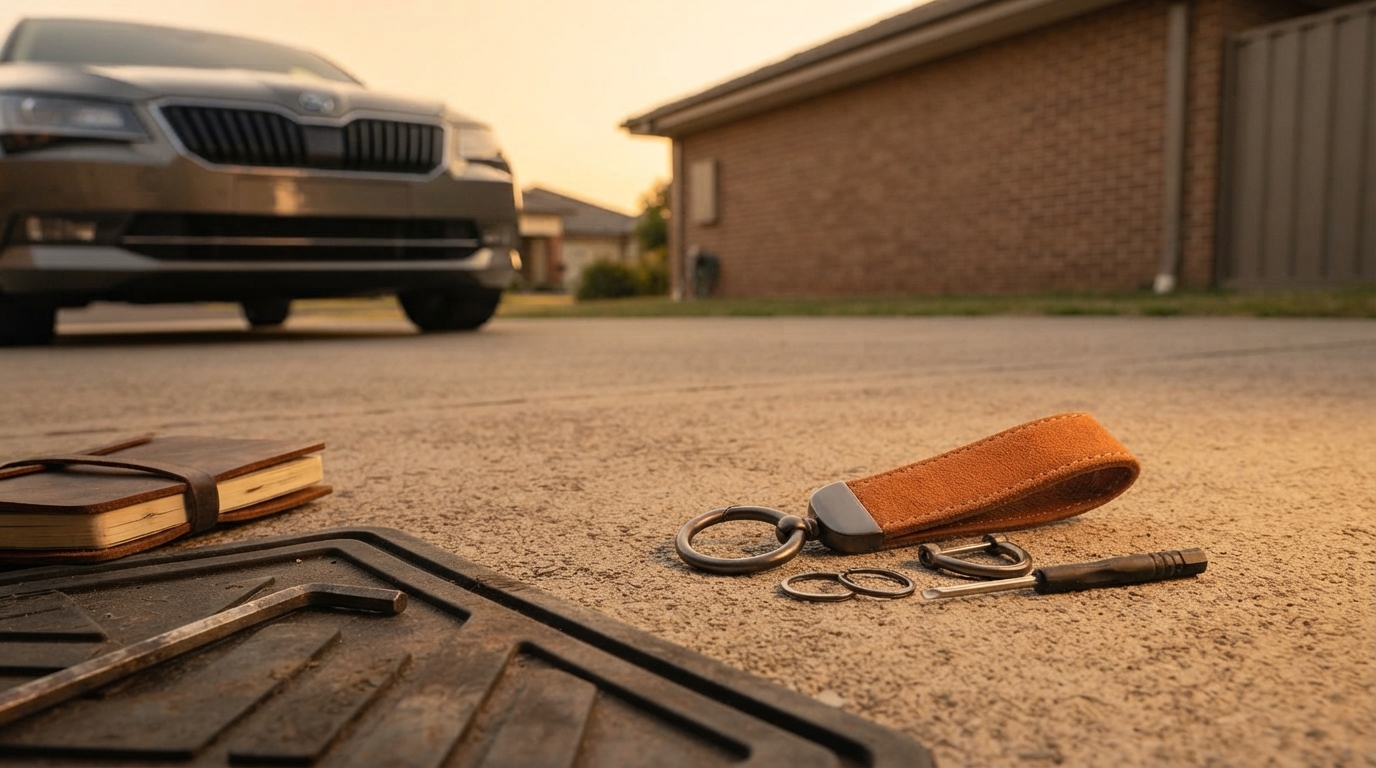
Suede leather is most commonly called “suede,” but you may also see it described as split leather or reverse suede, depending on how it’s made and which side of the hide is used. In everyday shopping and product descriptions, “suede” typically means leather with a soft, fuzzy nap created by sanding or buffing the inner surface of the hide.
The name often changes based on the layer of the hide and the finishing method:
If a product listing only says “suede,” it’s usually split suede unless it specifically mentions nubuck or roughout. Look for details like “top-grain nubuck,” “full-grain roughout,” or “split suede,” and check care notes—true suede and nubuck both stain easily without protection, while roughout tends to handle scuffs better.
In accessories such as keychain holders, suede is valued for its soft hand-feel and refined matte look. It can also add grip and reduce scratching against other items in a pocket or bag. For a deeper look at how suede performs in a practical accessory, see this guide: https://michellen.com/guide-suede-leather-keychain-holder-skoda-octavia/.
No. Nubuck is sanded on the outer grain side of top-grain leather, while suede is typically made from the inner side (often split leather), giving it a different structure and wear behavior.






Leave a comment