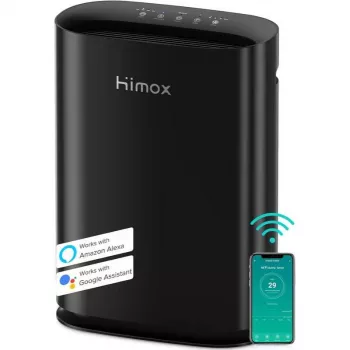
Large, open spaces can collect dust, smoke, and fine particles that are hard to notice until allergies flare or odors linger. A smart air purifier sized for big rooms, paired with a real-time PM2.5 monitor, helps track air quality changes and adjust cleaning intensity without constant guesswork. For open-concept homes and high-traffic households, the combination of strong airflow and automatic control can make everyday air feel fresher—especially when conditions shift throughout the day.
A high-coverage smart air purifier is most noticeable when the air quality changes often or when multiple areas share the same air. It’s especially useful in:
Room size claims are typically based on a specific performance target. In real life, how quickly a purifier can reduce particles depends on air changes per hour (ACH)—how many times it can filter the room’s air volume in an hour. Lower ACH can be fine for maintaining everyday freshness, while higher ACH is often preferred for allergies, heavy pet dander, or smoke events.
Placement and room geometry matter, too. A centrally positioned unit (when possible) helps the whole area mix more evenly. High ceilings increase total air volume, so a tall great room can feel “bigger” than its square footage suggests—sometimes requiring higher output or longer runtime to get the same perceived results.
| Room/Use Case | Typical Goal | Practical Note |
|---|---|---|
| Open living area (doors open) | Steady background cleaning | Aim for consistent runtime; avoid blocking airflow against walls or furniture. |
| Allergy season bedroom | Faster particle reduction | Run higher settings 30–60 minutes before sleep, then rely on auto mode overnight. |
| Cooking odors + fine particles | Rapid response to spikes | Use auto mode with a particle monitor; boost during frying or high-heat cooking. |
| Smoke events | Aggressive particle removal | Close windows, seal drafts, and run high; replace filters sooner if levels stay elevated. |
PM2.5 refers to fine particles small enough to stay airborne for long periods and travel deeper into the respiratory system. These tiny particles can rise from outdoor pollution, wildfire smoke, cooking, candles, vacuuming, and even busy indoor activity that re-suspends settled dust.
A built-in PM2.5 monitor makes those changes visible. Instead of guessing whether the air is “bad enough” to increase fan speed, the display shows when particle levels spike and when they calm down again. Auto mode is most helpful when the sensor reacts quickly and then reduces fan speed once air stabilizes—keeping comfort high without sacrificing consistency.
For background on indoor air cleaning and particulate pollution, see the EPA’s Guide to Air Cleaners in the Home and AHAM’s overview of Clean Air Delivery Rate (CADR).
| Task | Suggested Frequency | Why it Helps |
|---|---|---|
| Inspect and clean exterior vents | Every 2–4 weeks | Prevents dust buildup that reduces airflow. |
| Check filter status/indicator | Monthly | Avoids running with a clogged filter that lowers cleaning speed. |
| Replace filters as recommended | Per manufacturer guidance | Maintains effective particle capture and odor control. |
| Re-evaluate placement | Seasonally | Improves whole-room mixing as furniture layouts change. |
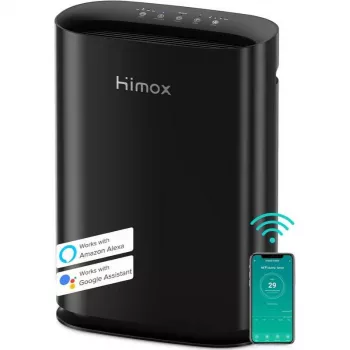
If the goal is strong coverage paired with at-a-glance air quality feedback, the Smart Air Purifier for Large Rooms up to 2690 sq ft with PM2.5 Monitor is built for big footprints and changing conditions. It’s designed to support large, shared living areas while providing a PM2.5 readout that helps explain when the purifier is working harder—and when it can relax.
| Product | Coverage | Monitoring | Availability |
|---|---|---|---|
| Smart Air Purifier for Large Rooms up to 2690 sq ft with PM2.5 Monitor | Up to 2690 sq ft | PM2.5 monitor | In stock |
It shows the concentration trend of fine particles in the air, helping you spot spikes from cooking, smoke, dust, or outdoor pollution. When paired with auto mode, it can also drive fan-speed changes to bring particle levels back down more efficiently.
Position it where air moves through the space—often near the center or between major zones—and keep clear space around the intake and exhaust. Avoid corners or tight spots behind furniture, and consider connected rooms and open doors to improve mixing.
It depends on pollution levels and how many hours the purifier runs each day; pets, smoke, and heavy cooking typically shorten filter life. Use the device’s indicator (if available) and the manufacturer’s replacement schedule as your baseline, then adjust sooner if air quality is consistently challenging.



Leave a comment