
AI is shifting managers from being primary “information processors” to becoming higher-impact coaches and decision-makers. Instead of spending hours compiling status updates, drafting review notes, or hunting for patterns in performance data, managers can use AI to surface trends quickly, summarize evidence, and flag potential risks—freeing time for more human work like alignment, motivation, and tough conversations.
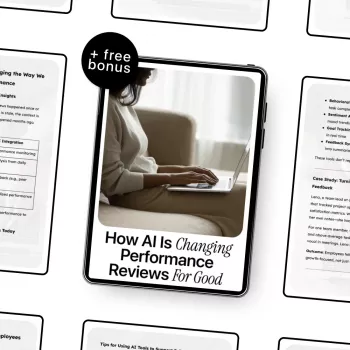
One of the biggest changes shows up in performance management. AI-enabled tools can help organize feedback, connect examples to outcomes, and reduce the chaos of scattered notes. When used well, this nudges managers toward more consistent, evidence-based evaluations and away from last-minute memory-driven reviews. For a practical look at how this works, see this guide to AI-enabled performance reviews.
AI is also changing how managers spot and solve problems. With dashboards and automated summaries, managers can detect early warning signs—like workload imbalance, bottlenecks, or slipping customer metrics—before they become expensive. That doesn’t remove the manager’s responsibility; it raises expectations. Teams will look to managers to interpret signals, ask the right questions, and make calls that consider context AI can’t fully capture.
Day-to-day communication is evolving, too. Managers can use AI to draft messages, meeting agendas, and difficult feedback more efficiently, but the role increasingly demands strong judgment about tone, timing, and trust. Employees tend to accept automation for administrative tasks, yet they still expect authenticity and discretion in personal matters. Managers remain accountable for what gets sent, what gets decided, and how people experience the process.
Finally, AI is raising the bar on fairness and transparency. When tools influence performance, pay, or promotion discussions, managers need to understand inputs, limitations, and potential bias. The modern manager’s toolkit now includes basic AI literacy: knowing what the system is optimizing for, what evidence supports a recommendation, and when to override it.
Managers need strong judgment, coaching ability, and comfort working with data. AI literacy—understanding limitations, bias risks, and how to validate outputs—helps managers use tools responsibly while keeping decisions fair and explainable.






Leave a comment